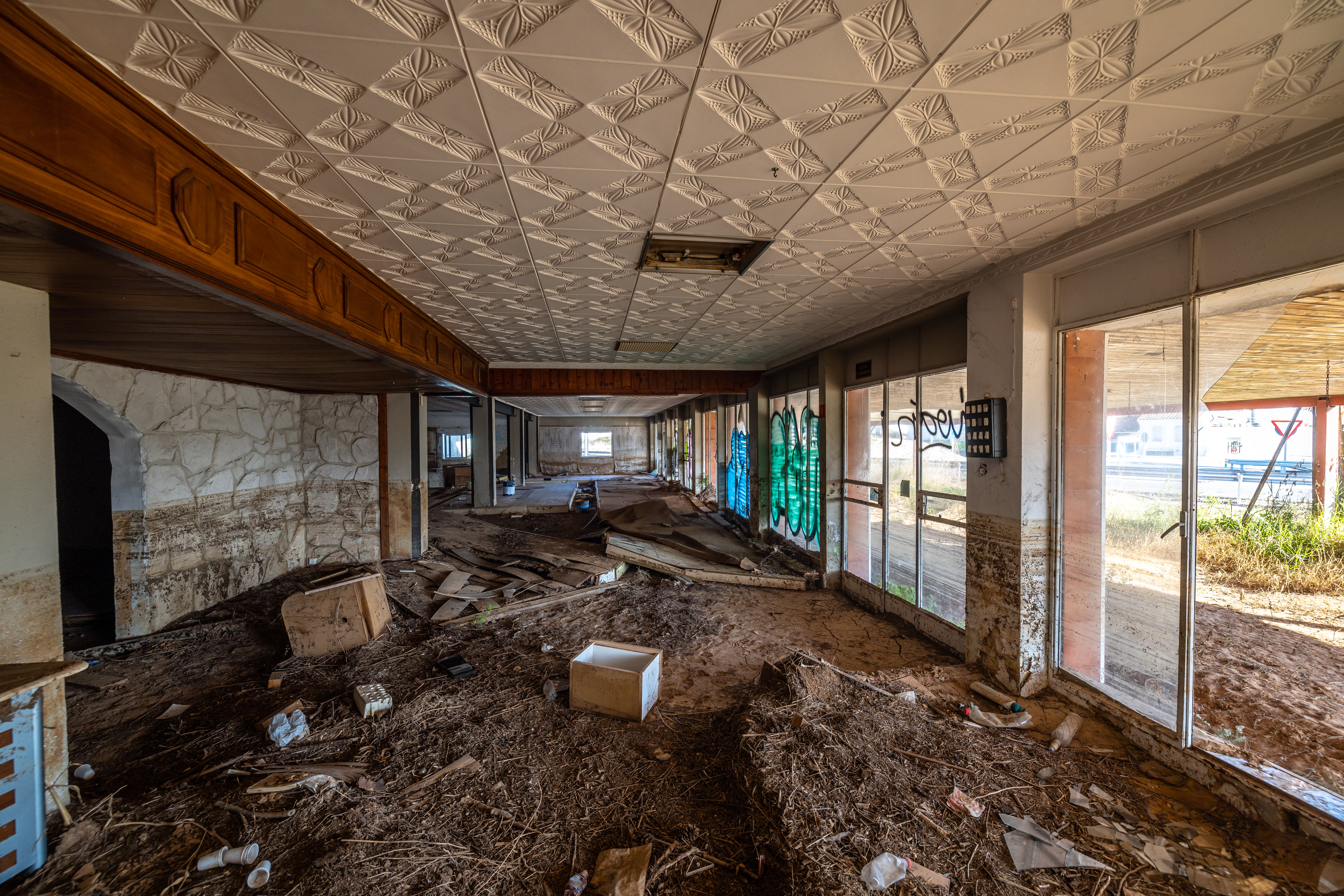
At DeVooght House Lifters, we know how devastating floods can be for businesses, not just in terms of physical damage but also the ripple effects on operations, revenue, and employee morale. Flood recovery for businesses involves a comprehensive approach to assess damage, mitigate risks, and restore functionality as quickly as possible. Whether your commercial property is a retail store, warehouse, or office building in flood-prone areas like coastal North Carolina or along Wisconsin’s rivers, getting back on track requires strategic planning and expert support. Post-disaster restoration focuses on immediate cleanup, structural repairs, and long-term resilience measures like elevation to prevent future incidents. We work with business owners to navigate this process, emphasizing quick actions that minimize downtime—after all, every day closed can cost thousands in lost sales. This year, as storm patterns intensify and floods become more frequent, prioritizing recovery strategies has never been more critical for maintaining cash flow and customer trust. Business managers often feel overwhelmed by insurance claims, debris removal, and rebuilding, but breaking it down into manageable steps turns chaos into a structured path forward.
We start every recovery consultation with a thorough assessment to identify hidden damages like mold or weakened foundations that could prolong closures if ignored. Floods don’t just wet floors—they can compromise electrical systems, inventory, and even the building’s integrity, leading to safety hazards that delay reopening. By partnering with us, you gain access to specialized equipment and knowledge for efficient drying, decontamination, and elevation if needed. The goal is to restore operations swiftly while implementing measures that reduce future vulnerabilities, such as improved drainage or raised utilities. Businesses that plan ahead recover 2-3 times faster, according to industry reports, preserving jobs and community roles. As we explore the key phases of recovery, from immediate response to long-term strategies, you’ll see how proactive steps make all the difference in getting your doors open again.
To give you a clearer picture of flood impacts on businesses, we’ve put together data on average losses and recovery times based on typical scenarios in the U.S.
| Business Type | Average Flood Loss (USD) | Recovery Time Without Plan (Weeks) | Recovery Time With Plan (Weeks) |
|---|---|---|---|
| Retail | 50,000-150,000 | 4-8 | 2-4 |
| Warehouse | 100,000-300,000 | 6-10 | 3-5 |
| Office | 30,000-100,000 | 3-6 | 1-3 |
| Mixed-Use | 75,000-200,000 | 5-9 | 2-5 |
This table underscores the value of preparation. We use similar analyses to customize recovery plans for your specific operation.
Essential Flood Recovery Components for Businesses
- Damage Assessment: Evaluate structural and operational impacts.
- Cleanup Protocols: Remove water and debris safely.
- Continuity Planning: Maintain key functions during restoration.
- Risk Mitigation: Implement elevation or other protections.
- Financial Management: Navigate insurance and funding.
These components form the backbone of effective post-disaster restoration, guiding businesses back to full operation.
Immediate Steps for Flood Recovery in Commercial Properties
Immediate steps for flood recovery in commercial properties are crucial to limit damage and kickstart restoration, and we at DeVooght recommend acting swiftly to protect your assets and team. The first 24-48 hours post-flood are critical—start by ensuring safety, shutting off utilities to prevent electrical fires or gas leaks, and evacuating if structural integrity is in question. We advise documenting everything with photos and videos for insurance claims, noting water levels and affected areas to build a strong case for reimbursements. For warehouses, prioritize salvaging inventory by moving undamaged goods to dry areas or off-site storage, while offices should secure sensitive documents and electronics with dehumidifiers to halt mold growth. Cleanup begins with pumping out water using industrial pumps, followed by professional drying with fans and heaters to reach hidden moisture in walls or floors—DIY efforts often miss this, leading to $10,000-20,000 in secondary damages from rot or mildew.
We partner with recovery specialists for hazardous material removal, like contaminated water carrying sewage or chemicals, ensuring compliance with health regulations. Structural assessments come next; our team inspects foundations for cracks or shifts, recommending elevation if repetitive flooding is likely. This step can qualify for FEMA grants covering up to 75% of costs in designated zones, turning recovery into resilience building. Coordinate with insurers early—submit claims within 30 days, including estimates for repairs and elevation to maximize payouts. For continuity, set up temporary operations: rent trailers for retail sales or cloud backups for data access, keeping revenue flowing at 50-70% of normal. Employee support is key—provide updates, PPE for cleanup volunteers, and counseling if needed to maintain morale.
These immediate actions reduce long-term costs by 30-50%, as delayed response amplifies damage. In a recent warehouse project, quick pumping and drying saved 80% of inventory, allowing partial operations within a week. Businesses that follow structured steps recover faster, preserving customer loyalty and market position. We offer on-site consultations to oversee these steps, ensuring your property is stabilized and ready for full restoration or elevation.
Post-cleanup, monitor for mold with air tests, addressing any growth promptly to avoid health claims. This phase sets the tone for recovery, blending urgency with strategy to get your business back on its feet.
Here’s a table outlining immediate recovery costs and savings from prompt action.
| Step | Average Cost (USD) | Savings from Quick Response (%) | Time to Complete (Days) |
|---|---|---|---|
| Safety & Evacuation | 1,000-5,000 | N/A | 1 |
| Water Removal & Drying | 5,000-15,000 | 40-60 | 3-5 |
| Damage Documentation | 500-2,000 | 20-30 | 1-2 |
| Inventory Salvage | 2,000-10,000 | 50-70 | 2-4 |
This breakdown helps budget effectively.
Immediate Recovery Actions for Businesses
- Ensure Safety: Shut off utilities and evacuate.
- Document Damage: Take photos for claims.
- Pump and Dry: Remove water quickly.
- Salvage Assets: Protect inventory and data.
- Contact Insurers: Start claims process.
Taking these actions promptly limits losses and speeds restoration.
Long-Term Strategies for Restoring and Strengthening Operations
Long-term strategies for restoring and strengthening business operations after a flood are where true resilience is built, and we at DeVooght focus on these to help your commercial property thrive post-disaster. Once immediate threats are addressed, shift to structural repairs and upgrades like elevation, which raises your building above flood lines to prevent recurrence. For warehouses, this means new pilings that support heavy loads while creating dry storage below; offices benefit from elevated utilities to keep tech safe. We recommend integrating elevation with other enhancements, such as energy-efficient windows or reinforced roofing, during recovery to qualify for rebates and cut utility bills by 15-25%. This phase, lasting 2-6 months, involves detailed engineering to meet local codes, ensuring your property not only recovers but improves.
Operational restoration includes reassessing workflows—floods often reveal inefficiencies, like poor inventory placement, so reorganize for better flow and add redundancies like off-site backups. We advise updating business continuity plans with lessons learned, such as diversified suppliers to avoid shortages. Financially, leverage insurance payouts and low-interest loans for these upgrades, with elevation often covered under Increased Cost of Compliance funds up to $30,000. Train staff on new protocols, including emergency response, to boost confidence and productivity. For retail, enhance online presence during downtime to retain customers, potentially increasing digital sales by 20-30%.
Strengthening involves risk mitigation; install flood sensors and barriers, and consider relocation if floods are chronic. We specialize in structural lifts that make properties more insurable, dropping premiums by 30-40%. Long-term, these strategies yield ROI through avoided damages—elevated businesses save $50,000-100,000 per event—and improved reputation as a reliable entity. In a office project, post-flood elevation with operational tweaks reduced annual costs by $20,000 while enhancing employee safety. By focusing on sustainability, like green materials, you attract eco-conscious clients and talent.
Monitor progress with quarterly reviews, adjusting as needed. These strategies not only restore but fortify your business, turning disaster into a catalyst for growth and durability.
Here’s a table of long-term strategy costs and benefits.
| Strategy | Initial Cost (USD) | Annual Savings (USD) | Payback Period (Years) |
|---|---|---|---|
| Elevation Upgrade | 50,000-150,000 | 10,000-30,000 | 5-7 |
| Workflow Reorganization | 5,000-20,000 | 8,000-15,000 | 1-2 |
| Risk Mitigation Tools | 10,000-25,000 | 5,000-12,000 | 2-3 |
| Staff Training | 2,000-10,000 | 3,000-8,000 | 1 |
This shows solid returns.
Long-Term Recovery Strategies
- Structural Upgrades: Elevate and reinforce.
- Operational Redesign: Optimize workflows.
- Financial Planning: Use funds wisely.
- Training Initiatives: Prepare staff.
- Ongoing Monitoring: Adjust plans.
These strategies build lasting resilience.
In conclusion, at DeVooght House Lifters, we assist businesses in flood recovery by providing expert structural elevation and restoration services, helping you restore operations and strengthen against future disasters with minimal disruption.
If you’re recovering from a flood and need to restore your business property, contact the DeVooght team today for expert help with flood recovery.