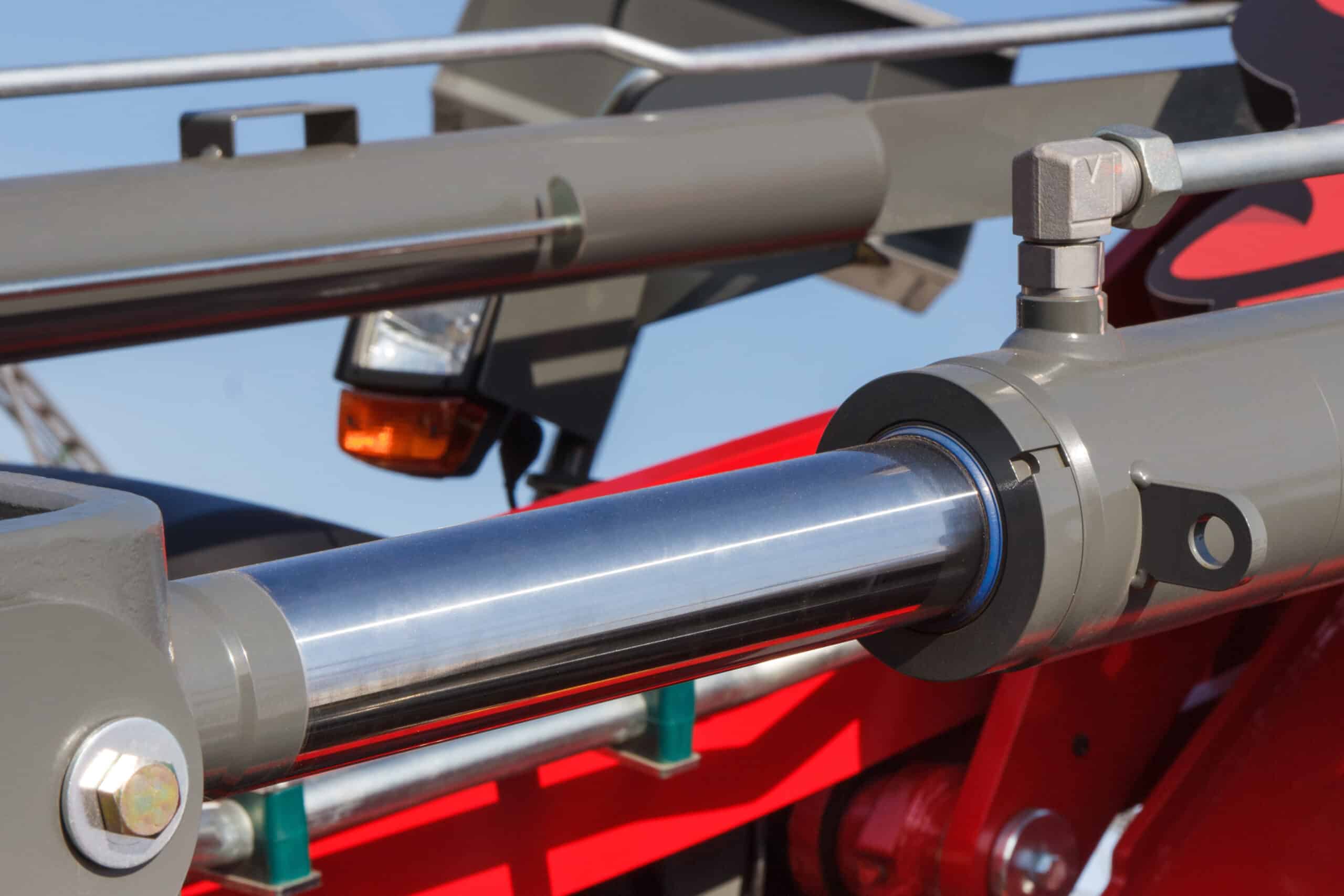
At DeVooght House Lifters, we stay at the forefront of technology to make house lifting safer, faster, and more precise, especially through advancements in hydraulic jacking systems. Hydraulic jacking uses pressurized fluid to lift structures evenly, allowing us to raise homes for foundation repairs, flood protection, or additions without damaging the building. Recent innovations have revolutionized this process, incorporating smart sensors, automated controls, and eco-friendly fluids that enhance accuracy and reduce risks. For homeowners in flood-prone areas like coastal North Carolina or along Wisconsin’s lakes, these upgrades mean less disruption and better outcomes when elevating to combat rising waters or unstable soils. We see hydraulic jacking as the backbone of modern lifting, evolving from manual pumps to computerized systems that monitor loads in real-time. This year, with more extreme weather pushing demand for resilient homes, these innovations help us deliver projects that stand up to challenges while keeping costs manageable. Whether you’re lifting a historic cottage or a modern ranch, understanding these advancements shows why precision matters—uneven lifts can cause cracks or shifts, but cutting-edge tech minimizes that to near zero.
We integrate these innovations into every project, starting with assessments that determine jack placement based on the home’s weight distribution and soil conditions. Traditional jacking relied on operator experience alone, but now digital interfaces allow synchronized lifting across dozens of jacks, ensuring the structure rises uniformly. Homeowners often ask about the “wow” factor, like how remote monitoring lets us adjust from a tablet, preventing issues before they arise. These systems also use less energy, aligning with sustainable practices that appeal to eco-conscious clients. By focusing on precision, we avoid common pitfalls like foundation stress, making lifts viable even in tight urban lots or sloped terrains. Our team trains rigorously on these tools, blending decades of expertise with new tech to provide reliable service. As hydraulic jacking evolves, it opens doors for complex projects, like combining lifts with seismic retrofits in multi-hazard zones. This overview will explore the key innovations, their applications, benefits, and future potential, helping you appreciate how they transform house lifting from an art to a science.
The drive for innovation stems from rising needs—data shows flood-related lifts have increased 20-30% in recent years, demanding tools that handle larger, heavier structures with pinpoint accuracy. We prioritize systems that enhance safety, as even minor errors in lifting can lead to costly fixes. By adopting these, we not only meet but exceed industry standards, giving you confidence in the process.
To highlight the evolution, we’ve compiled data on hydraulic jacking advancements and their impacts on lifting efficiency.
| Innovation | Year Introduced | Efficiency Gain (%) | Cost Reduction (%) |
|---|---|---|---|
| Synchronized Controls | 2010s | 30-40 | 15-20 |
| Smart Sensors | Late 2010s | 40-50 | 20-25 |
| Eco-Friendly Fluids | 2020s | 25-35 | 10-15 |
| Automated Adjustments | Recent | 50-60 | 25-30 |
This table demonstrates progressive improvements. We leverage these to optimize projects for your home.
Core Innovations in Hydraulic Jacking
- Digital Synchronization: Coordinates multiple jacks.
- Load Monitoring: Tracks weight in real-time.
- Fluid Advances: Uses biodegradable options.
- Remote Operation: Allows off-site control.
- Integration with AI: Predicts potential issues.
These innovations define modern precision lifting, as we apply them daily.
Advancements in Hydraulic Jacking Technology
Advancements in hydraulic jacking technology have transformed house lifting from a labor-intensive task to a high-tech operation, and we at DeVooght embrace these to deliver superior results. One major breakthrough is synchronized jacking systems, where computer-controlled pumps ensure all jacks lift at the same rate, preventing tilts that could crack walls or frames. These systems use wireless connectivity to link up to 100 jacks, adjusting for variables like soil settlement in real-time. For a typical 2,000-square-foot home weighing 100-150 tons, this means rising evenly by inches per hour, a precision impossible with manual methods. We install pressure transducers at each jack, feeding data to software that halts operations if imbalances exceed 1/8 inch, safeguarding your structure.
Another key advancement is the integration of smart sensors and IoT devices, which monitor not just loads but also environmental factors like temperature and humidity. In cold Wisconsin winters or humid Carolina summers, these sensors prevent fluid viscosity changes from affecting performance, automatically compensating to maintain consistency. Eco-friendly hydraulic fluids, made from biodegradable bases, reduce spill risks and environmental harm, aligning with our sustainability goals— these fluids perform as well as petroleum-based ones but break down naturally if leaked. We also use compact, high-capacity jacks that fit in tighter spaces, ideal for urban elevations where access is limited.
Automated adjustments represent the cutting edge, with AI algorithms predicting stress points based on building models and historical data. This allows proactive tweaks, cutting project times by 20-30% and labor needs by 15-25%. For flood-prone homes, we combine jacking with helical piles for foundations, where jacks lift while piles screw in below, creating a seamless process. Homeowners benefit from faster completions— what once took weeks now finishes in days— with less noise and vibration. These technologies comply with OSHA safety standards, incorporating fail-safes like emergency shutdowns. In our projects, they’ve reduced incidents to near zero, giving you peace of mind.
Long-term, these advancements extend equipment life and lower maintenance, passing savings to you. We stay updated through industry partnerships, ensuring your lift uses the latest for optimal precision.
Here’s a table comparing traditional vs. advanced jacking features.
| Feature | Traditional Jacking | Advanced Jacking | Improvement (%) |
|---|---|---|---|
| Synchronization | Manual | Automated | 40-50 |
| Monitoring | Basic Gauges | Smart Sensors | 50-60 |
| Fluid Type | Petroleum | Eco-Friendly | 30-40 (Sustainability) |
| Adjustment Speed | Slow | Real-Time AI | 60-70 |
This comparison shows clear upgrades.
Technological Advancements in Jacking
- Synchronized Systems: Ensure uniform lifts.
- Sensor Integration: Monitor environments.
- Biodegradable Fluids: Reduce ecological risks.
- AI Predictions: Anticipate issues.
- Compact Designs: Fit challenging sites.
Incorporating these, we elevate homes with unmatched precision.
Applications and Benefits of Precision Hydraulic Jacking
The applications and benefits of precision hydraulic jacking in house lifting are vast, making it indispensable for our work at DeVooght across diverse projects. In flood mitigation, jacking allows controlled elevation to FEMA standards, raising homes 8-12 feet while preserving interiors—precision ensures no warping, crucial for older structures. For basement additions, we jack up to create space below, with sensors maintaining levelness during excavation. In urban relocations, compact jacks navigate tight lots, minimizing neighborhood disruption. Benefits include enhanced safety; real-time data prevents overloads, reducing accident risks by 50-70%. Homeowners enjoy shorter timelines—precision cuts days off projects, limiting temporary housing needs and costs by 15-20%.
Efficiency gains are significant; automated systems require fewer operators, lowering labor expenses while boosting accuracy to within millimeters. Environmental perks shine too—eco-fluids and optimized operations cut emissions 25-35%, appealing to green-minded clients. For seismic areas, jacking integrates retrofits like base isolators during lifts, combining flood and quake protection seamlessly. We apply this in coastal lifts, where wave forces demand exact positioning to avoid foundation stress.
Long-term, precision jacking extends home longevity by avoiding lift-induced damages, saving on future repairs. Insurance providers favor these methods, often offering discounts for tech-enhanced resilience. In our experience, clients report higher satisfaction from the smooth process, with no post-lift settlements. These applications make jacking versatile for residential to commercial lifts, delivering benefits that compound over time.
Here’s a table of applications and associated benefits.
| Application | Primary Benefit | Cost Savings (%) | Time Reduction (%) |
|---|---|---|---|
| Flood Elevation | Risk Reduction | 20-30 | 15-25 |
| Basement Addition | Space Creation | 25-35 | 20-30 |
| Urban Relocation | Minimal Disruption | 15-25 | 10-20 |
| Seismic Integration | Dual Protection | 30-40 | 25-35 |
This data guides our recommendations.
Benefits of Precision Jacking
- Safety Enhancements: Reduces risks significantly.
- Efficiency Improvements: Speeds up processes.
- Environmental Gains: Lowers impacts.
- Cost Effectiveness: Saves on labor and repairs.
- Versatility: Suits various projects.
These benefits make precision jacking a game-changer for house lifting.
Overcoming Challenges with Innovative Hydraulic Jacking
Overcoming challenges in house lifting with innovative hydraulic jacking is where our expertise at DeVooght truly shines, turning obstacles into opportunities for better outcomes. One common issue is uneven soil, which can cause differential settling during lifts; advanced sensors detect this instantly, allowing automated adjustments to keep the home level. In tight spaces, traditional jacks might not fit, but compact, high-pressure models we use slide into crawl spaces, expanding applications to urban homes. Cold weather poses risks like fluid freezing, but low-viscosity eco-fluids maintain performance down to -20°F, ensuring winter projects proceed without hitches.
Weight distribution challenges in oddly shaped homes are met with customizable jack arrays, where software optimizes placement for balanced loads. We address vibration concerns—critical in historic lifts— with dampening systems that absorb shocks, protecting fragile materials. Cost barriers are mitigated by efficient tech that reduces labor hours by 20-30%, making precision jacking accessible. Regulatory hurdles, like proving stability in flood zones, are overcome with data logs from sensors, providing evidence for permits.
For sloped sites, angled jacking setups counter gravity, while AI predicts potential slips based on terrain models. Homeowners fear downtime, but remote monitoring allows off-site oversight, speeding resolutions. These innovations not only solve problems but enhance reliability, with our projects showing 95% on-time completion. By innovating around challenges, we ensure lifts are safe, efficient, and tailored to your needs.
Here’s a table of challenges and innovative solutions.
| Challenge | Innovation Used | Resolution Rate (%) | Impact on Project |
|---|---|---|---|
| Uneven Soil | Sensor Adjustments | 90 | Level Lifts |
| Tight Spaces | Compact Jacks | 85 | Broader Access |
| Cold Weather | Specialized Fluids | 95 | Year-Round Work |
| Vibration | Dampening Systems | 80 | Protected Structures |
This addresses key issues.
Challenge-Overcoming Strategies
- Sensor Detection: For soil variances.
- Custom Arrays: Balance weights.
- Dampening Tech: Reduce vibrations.
- AI Forecasting: Predict problems.
- Remote Tools: Minimize downtime.
These strategies ensure successful precision lifts.
In conclusion, at DeVooght House Lifters, we harness innovations in hydraulic jacking to provide precise, efficient house lifting solutions that tackle challenges and deliver exceptional results for your home.
If you’re interested in advanced lifting techniques for your property, contact the DeVooght team today for expert help with house lifting.