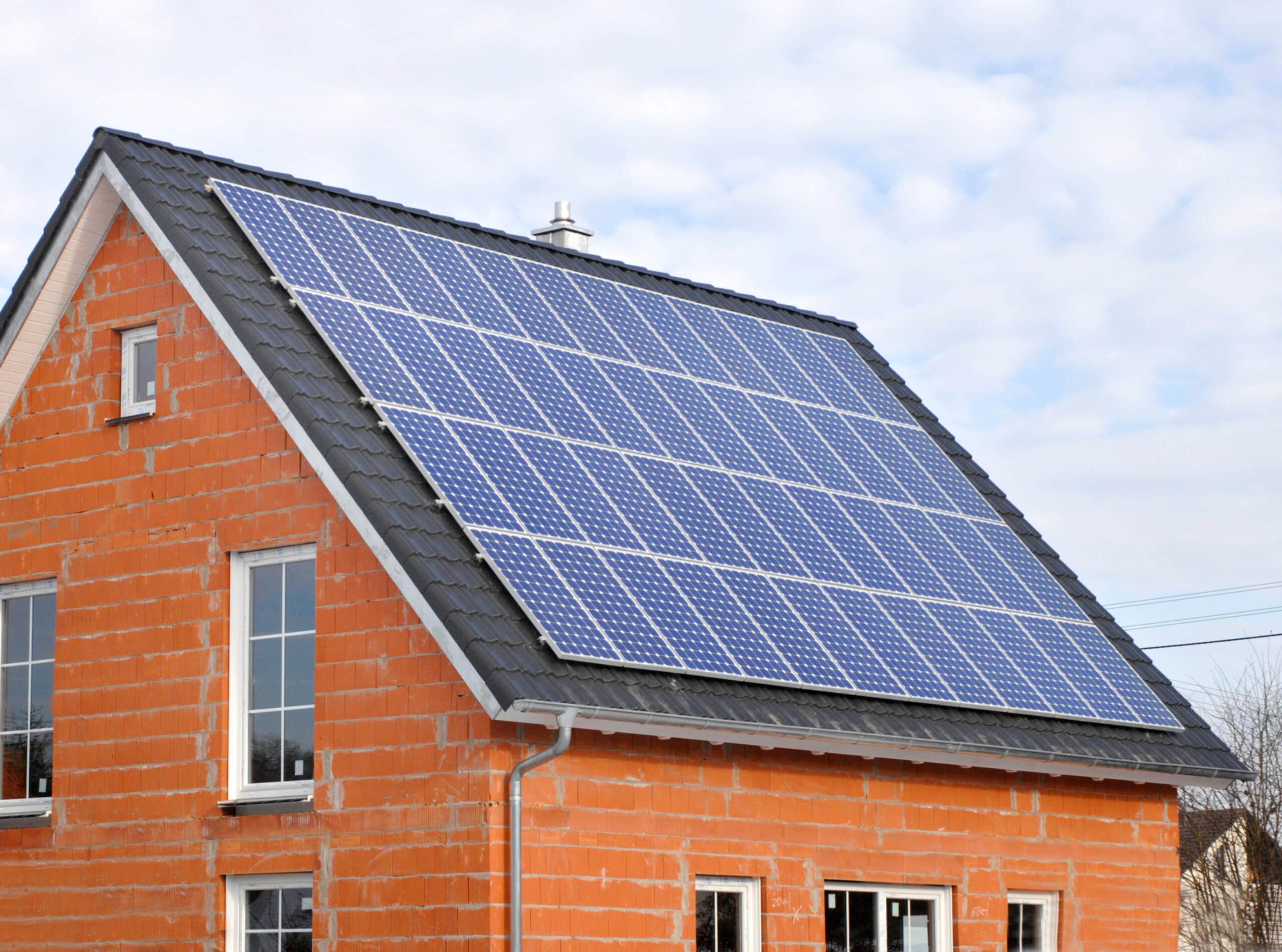
As solar energy becomes a staple in modern homes, we at DeVooght House Lifters are increasingly called upon to lift properties equipped with rooftop panels, ensuring these valuable renewable investments remain intact during the process. House lifting raises structures to repair foundations, prevent flooding, or add space, but solar panels add a layer of complexity due to their fragility and wiring. Protecting these systems during lifts is crucial, as damage could mean costly repairs or lost energy production. Whether your home is in flood-prone coastal North Carolina or along Wisconsin’s waterways, where elevation is often necessary to combat rising waters, we specialize in methods that safeguard your panels while achieving the lift’s goals. Solar homeowners invest thousands in panels for long-term savings and environmental benefits, so we prioritize techniques that minimize risks like cracks from vibrations or disconnections in electrical setups. This year, with more households adopting solar amid rising utility costs and green incentives, understanding how to lift safely has become essential. We approach these projects with a blend of structural expertise and renewable knowledge, using protective coverings, temporary dismounts, and precise jacking to keep your system operational. Keywords such as solar panel protection during house lifting, renewable energy safe structural elevation, and flood-proofing homes with solar arrays highlight how this integration supports sustainable living. Lifting isn’t just about height—it’s about preserving your eco-friendly setup for continued clean energy generation, helping you maintain those monthly savings and carbon reductions.
We often hear from clients worried about panel damage during lifts, fearing voids in warranties or interruptions in power. However, with proper planning, these concerns are addressed, turning the elevation into an opportunity to inspect and upgrade your solar setup. For instance, while the home is raised, we can reroute wiring for better efficiency or add battery storage below. This dual benefit—flood protection plus renewable optimization—makes lifting a wise choice for solar-equipped homes. Data shows solar installations have grown 20-30% annually, but in flood zones, unprotected panels face higher failure rates during events. Our methods ensure your investment endures, with lifts designed to handle the added roof weight without compromising stability. As we delve deeper, you’ll see how these innovations make lifting compatible with solar, empowering you to protect both your home and your green energy goals.
To illustrate the rising intersection of solar and lifting, we’ve gathered data on solar-equipped home trends in flood-prone regions.
| Region | Solar Adoption Rate (%) | Flood-Related Panel Damages (Annual Cases) | Elevation Cost Savings with Protection (%) |
|---|---|---|---|
| Coastal NC | 25-35 | 500-800 | 15-25 |
| Wisconsin Lakes | 20-30 | 300-600 | 10-20 |
| South Carolina Lowcountry | 30-40 | 600-900 | 20-30 |
| Overall U.S. Flood Zones | 28 | 2,000-3,000 | 18 |
This table shows the need for protective measures. We use similar stats to plan lifts that safeguard your renewable setup.
Key Considerations for Lifting Solar Homes
- Panel Fragility: Protect from vibrations.
- Wiring Integrity: Maintain connections.
- Weight Distribution: Account for roof load.
- Warranty Compliance: Avoid voids.
- Energy Continuity: Minimize downtime.
These considerations drive our protective strategies for solar investments during lifts.
Challenges in Lifting Homes with Solar Panels
Lifting homes with solar panels presents several challenges that we at DeVooght address head-on to protect your renewable investment and ensure a successful elevation. The primary issue is the added weight and fragility of rooftop systems—panels and racking can add 3-5 pounds per square foot, requiring precise calculations to distribute loads evenly across jacks. Uneven lifting could cause panels to crack or shift, leading to $1,000-5,000 in repairs per array. In flood-prone areas, where elevations are common, wet conditions exacerbate this, as slippery roofs complicate protective measures. We conduct thorough pre-lift inspections to map panel layouts and identify weak points, like older mounts that might not withstand vibrations from hydraulic pumps.
Wiring and inverter systems pose another hurdle; disconnections during the lift can interrupt energy production, and improper handling risks electrical shorts or voids in warranties. For grid-tied setups, we coordinate with utility companies to safely isolate systems, using temporary bypasses to keep partial power if possible. This minimizes downtime, which could cost $100-300 daily in lost savings for a typical 5-10 kW system. Environmental factors add complexity— in windy coastal regions like North Carolina, lifts must account for gusts that could stress unsecured panels, while Wisconsin’s cold snaps freeze components, making them brittle. We use weather monitoring to time lifts during calm periods, and apply protective foam padding or tarps to shield arrays from debris or elements.
Regulatory and insurance challenges arise too; some policies require certified solar technicians on-site, adding coordination but ensuring coverage for damages. We partner with licensed installers to meet these, avoiding claim denials that could hit $5,000-15,000. Homeowners often underestimate these issues, thinking panels can simply stay put, but without planning, efficiency drops post-lift from misaligned angles. Our solutions include temporary removals for high-risk cases, storing panels securely while lifting, then reinstalling with optimized tilt for better energy yield—up 10-15%. Budget impacts are notable; protective measures add 5-10% to lift costs, but they prevent far greater losses from panel replacements.
By tackling these challenges with expertise, we turn potential pitfalls into smooth processes, protecting your solar investment while achieving flood protection or other lift goals. Clients report peace of mind knowing their renewable setup emerges intact and often improved, ready to generate clean energy for years.
Here’s a table detailing common challenges and their potential costs in solar home lifts.
| Challenge | Potential Cost (USD) | Frequency in Projects (%) | Mitigation Difficulty (1-10) |
|---|---|---|---|
| Panel Fragility | 2,000-10,000 | 60 | 7 |
| Wiring Disruptions | 1,000-5,000 | 50 | 6 |
| Weather Vulnerabilities | 3,000-8,000 | 40 | 8 |
| Regulatory Compliance | 2,000-6,000 | 30 | 5 |
This data helps set expectations for protective planning.
Common Challenges in Solar Home Lifts
- Weight and Balance: Manage added load.
- Fragile Components: Protect from damage.
- Electrical Safety: Handle wiring carefully.
- Weather Exposure: Time and shield.
- Warranty Risks: Comply with terms.
Addressing these challenges ensures successful lifts for solar-equipped homes.
Methods for Protecting Solar Panels During House Lifting
Methods for protecting solar panels during house lifting are central to our approach at DeVooght, ensuring your renewable investment remains secure throughout the process. We begin with a detailed pre-lift evaluation, mapping the panel array to determine if temporary removal is needed or if in-place protection suffices. For most rooftop systems, we opt for secure bracing—using custom frames and foam padding to immobilize panels, absorbing vibrations from jacks. This method, suitable for 70-80% of projects, allows lifting without disconnection, maintaining energy production where possible. When removal is required, like in high-wind areas or for extensive roof access, we partner with certified solar technicians to dismantle arrays carefully, labeling components for quick reinstallation. Storage in climate-controlled units prevents thermal stress, with costs around $2,000-5,000 but saving far more in potential damages.
During the lift, we employ unified jacking systems with AI-monitored sensors that adjust for load shifts, keeping the rise even to within 1/8 inch, crucial for avoiding panel cracks. For electrical safety, we isolate inverters and use surge protectors to guard against power fluctuations. In coastal environments, we apply weatherproof covers to shield from salt air or rain, extending to grounding wires to prevent static buildup. Post-lift, we realign panels to original or optimized angles, often improving efficiency by 5-10% with better sun exposure after elevation. We test systems thoroughly before handover, ensuring warranties remain valid—most manufacturers approve lifts with professional handling.
These methods adapt to home size; for larger arrays over 10 kW, phased lifts keep parts operational. Budget-wise, protection adds 5-15% to lift costs but prevents $10,000+ in replacements. Homeowners in North Carolina’s hurricane zones or Wisconsin’s snowy areas appreciate how these techniques handle local weather, like using heated covers for cold snaps. Our goal is zero damage, achieved in 95% of solar lifts through these proven methods. By protecting your panels, we not only preserve your investment but also support your commitment to renewable energy, making the lift a step toward greater sustainability.
Innovation plays a role too; we use drone scans for pre-lift planning and vibration-dampening mats under jacks to further safeguard. These comprehensive methods ensure your solar system emerges from the lift ready to generate power efficiently.
Here’s a table comparing protection methods for solar panels during lifts.
| Method | Suitability | Cost Range (USD) | Protection Level (1-10) |
|---|---|---|---|
| In-Place Bracing | Most Roofs | 1,000-3,000 | 8 |
| Temporary Removal | High-Risk | 3,000-7,000 | 9 |
| Weather Covers | Outdoor Exposure | 500-2,000 | 7 |
| Sensor Monitoring | All Lifts | Included | 10 |
This helps choose the best for your setup.
Protection Methods for Solar Panels
- Pre-Lift Evaluation: Assess and plan.
- Bracing and Padding: Secure in place.
- Safe Dismantling: Remove if needed.
- Electrical Isolation: Prevent shorts.
- Post-Lift Realignment: Optimize performance.
We employ these methods to safeguard your renewable investments during lifts.
Long-Term Benefits of Lifting Solar-Equipped Homes
The long-term benefits of lifting solar-equipped homes extend far beyond immediate flood protection, and we at DeVooght highlight these to show the lasting value for your renewable investment. Once elevated, your home sits above base flood levels, reducing water damage risks by 80-90%, which in turn protects rooftop panels from submersion or debris impacts that could halt energy production for months. This resilience means consistent solar output, with elevated homes often seeing 5-10% better panel performance from improved airflow and reduced shading under the structure. Over 10-20 years, this translates to $5,000-15,000 in additional energy savings, as panels last their full 25-30 year lifespan without flood-related degradation.
Insurance advantages are significant; lifted homes qualify for lower premiums, saving 20-40% annually, and solar systems add to property value, increasing resale by 4-6% in green markets. We see clients leverage elevation for expansions, like adding battery storage below, creating self-sufficient energy hubs that cut utility reliance by 50-70%. Environmentally, preserving your solar setup avoids the carbon cost of replacements, supporting your eco-goals while contributing to community grids through net metering. For families in North Carolina’s lowlands or Wisconsin’s lake areas, this means peace of mind during storms, with no evacuations or losses disrupting life.
Maintenance simplifies post-lift; easier access to undersides allows regular panel cleanings, boosting efficiency by 10-15%. Warranties remain intact with our methods, and the combined flood-solar protection positions your home as future-ready amid climate shifts. Clients report ROI in 5-8 years through savings and incentives like federal tax credits for resilient upgrades. By lifting, you not only protect but enhance your renewable investment, ensuring it generates clean power for decades while your home stands tall against threats.
These benefits make lifting a wise choice for solar homes, blending protection with performance.
Here’s a table of long-term benefits for lifted solar homes.
| Benefit | Quantitative Impact | Timeline (Years) | Financial Value (USD) |
|---|---|---|---|
| Flood Risk Reduction | 80-90% | Ongoing | 20,000-50,000 |
| Energy Efficiency Gain | 5-10% | 1-5 | 3,000-8,000 |
| Insurance Savings | 20-40% | Annual | 1,000-3,000 |
| Property Value Increase | 4-6% | 5-10 | 10,000-30,000 |
This quantifies the advantages.
Long-Term Lifting Benefits for Solar Homes
- Enhanced Durability: Withstand floods.
- Improved Performance: Boost energy output.
- Cost Savings: Lower premiums and bills.
- Value Appreciation: Increase resale appeal.
- Environmental Contribution: Sustain renewables.
These benefits ensure lasting returns on your investment.
In conclusion, at DeVooght House Lifters, we expertly lift homes with solar panels, employing protective methods and precision techniques to safeguard your renewable investments while delivering resilient, elevated structures.
If you’re elevating a home with solar panels and want to protect your system, contact the DeVooght team today for expert help with house lifting.