If you own a home in North Myrtle Beach, you already know that Hurricane Florence changed more than the shoreline in 2018. It changed the rules. Homes that were considered compliant before the storm are now facing new elevation standards, rising flood insurance premiums, and a regulatory environment that keeps tightening. Whether your property was damaged during Florence or you’re planning renovations that could trigger compliance requirements, understanding what North Myrtle Beach expects from homeowners today is the first step toward protecting your investment.
Key Takeaways:
- North Myrtle Beach requires all structures in AE and VE flood zones to be elevated at least 12 inches above base flood elevation (BFE), while unincorporated Horry County requires 36 inches.
- The 50% substantial damage rule means that if your repair or renovation costs reach half your home’s pre-damage market value, your entire structure must be brought into full compliance with current floodplain standards.
- Cumulative improvements count toward the 50% threshold, meaning smaller projects over time can trigger the same elevation requirement as a single large repair.
- FEMA’s Risk Rating 2.0 now calculates flood insurance premiums based on individual property characteristics, making elevation one of the most direct ways to lower your annual cost.
- Increased Cost of Compliance (ICC) coverage through your NFIP policy may provide up to $30,000 toward the cost of elevating a substantially damaged home.
- Stricter Coastal A zone standards are extending VE-zone-level construction requirements to properties farther inland, affecting homes that were previously subject to less restrictive rules.
What Changed in North Myrtle Beach After Hurricane Florence?
Hurricane Florence made landfall near Wrightsville Beach, North Carolina on September 14, 2018, as a Category 1 hurricane. But the wind speed only told part of the story. Florence crawled across the Carolinas at just 1 to 3 miles per hour, dumping record-breaking rainfall across the Grand Strand and Pee Dee region. In Loris, just 30 miles from North Myrtle Beach, more than 23 inches of rain fell, setting a new state tropical cyclone rainfall record for South Carolina. The Waccamaw River crested at levels that exceeded even Hurricane Matthew’s flooding from two years earlier, and more than 1,500 homes in unincorporated Horry County sustained flood damage.
For North Myrtle Beach, the direct wind and storm surge damage along the beachfront was manageable compared to inland river flooding. But the aftermath brought something many homeowners didn’t expect: substantial damage determinations from the city’s Building Division that forced compliance with elevation standards their homes had never been designed to meet. That process is still playing out today for properties undergoing major renovations or repairs.
“A lot of homeowners assume the substantial damage determination only applies right after a hurricane. In reality, the 50% rule applies every time you pull a permit for work on a property in a flood zone. We’ve worked with families in the Grand Strand who triggered the requirement through a kitchen renovation combined with prior storm repairs, not through a single catastrophic event.” — Jason DeVooght
The regulatory shift didn’t stop with Florence. South Carolina’s adoption of updated International Building Code and International Residential Code cycles has introduced stricter Coastal A zone construction standards that extend beachfront-level requirements farther inland. For properties between the oceanfront VE zones and the inland AE zones, this means foundations, elevation measurements, and enclosure limitations that were once only required for beachfront homes now apply to structures well behind the dune line.
What Are North Myrtle Beach’s Current Elevation Requirements?
North Myrtle Beach’s floodplain management ordinance sets specific elevation standards based on your property’s flood zone designation. These apply to all new construction and to any existing structure that triggers the substantial improvement or substantial damage threshold.
Elevation requirements by flood zone in North Myrtle Beach:
- AE Flood Zone: All buildings must be elevated so the lowest floor sits at least 12 inches above the base flood elevation. BFE varies by location and is determined by the FEMA Flood Insurance Rate Map (FIRM) panel for your property.
- VE Flood Zone: All buildings must be elevated so the bottom of the lowest horizontal structural member sits at least 12 inches above BFE. This is a stricter measurement point than AE zones because it’s measured from structural framing, not the finished floor.
- Coastal A Zone (new): Under updated South Carolina building codes, properties in the Coastal A zone are now subject to VE-zone construction standards. That means elevation is measured from the lowest horizontal structural member, enclosures below the elevated floor are limited to 299 square feet, and breakaway walls are required.
One critical distinction that catches homeowners off guard: if your property sits within the City of North Myrtle Beach, the freeboard requirement is 12 inches above BFE. But if you’re in unincorporated Horry County, just outside the city limits, the requirement jumps to 36 inches (3 feet) above BFE. The boundary between city and county jurisdiction can run through the same neighborhood, so confirming which jurisdiction applies to your specific parcel is one of the first steps before starting any project.
Proper height must be verified by a finished construction elevation certificate, prepared by a licensed surveyor, and submitted to the city’s Planning and Development Department. Without this certificate, your project won’t receive final approval, and your flood insurance rating won’t reflect the elevation improvement.
How Does the 50% Substantial Damage Rule Work in Practice?
The substantial damage and substantial improvement rules are the mechanisms that force older, non-compliant homes into the current building code. Here’s how the City of North Myrtle Beach applies them.
Key elements of the 50% rule:
- Substantial Damage: If the total cost of repairing your structure to its pre-damage condition equals or exceeds 50% of the structure’s market value before the damage occurred, the building must be brought into full compliance with current floodplain management regulations. The cause of damage doesn’t matter. Flood, fire, wind, or any combination.
- Substantial Improvement: If the cost of any reconstruction, rehabilitation, addition, or improvement equals or exceeds 50% of the structure’s market value before the work begins, the same compliance requirement applies. This includes voluntary renovations, not just storm repairs.
- Cumulative Trigger: Multiple smaller projects can combine to exceed the 50% threshold. A $40,000 roof replacement last year plus a $60,000 kitchen remodel this year on a home valued at $180,000 would push the total past 50% and trigger the full elevation requirement.
- Market Value Calculation: The city uses the assessed value of the structure (not including land) from the Horry County Appraiser’s Office. If you disagree with that valuation, you can engage a licensed property appraiser to submit a comparable property appraisal.
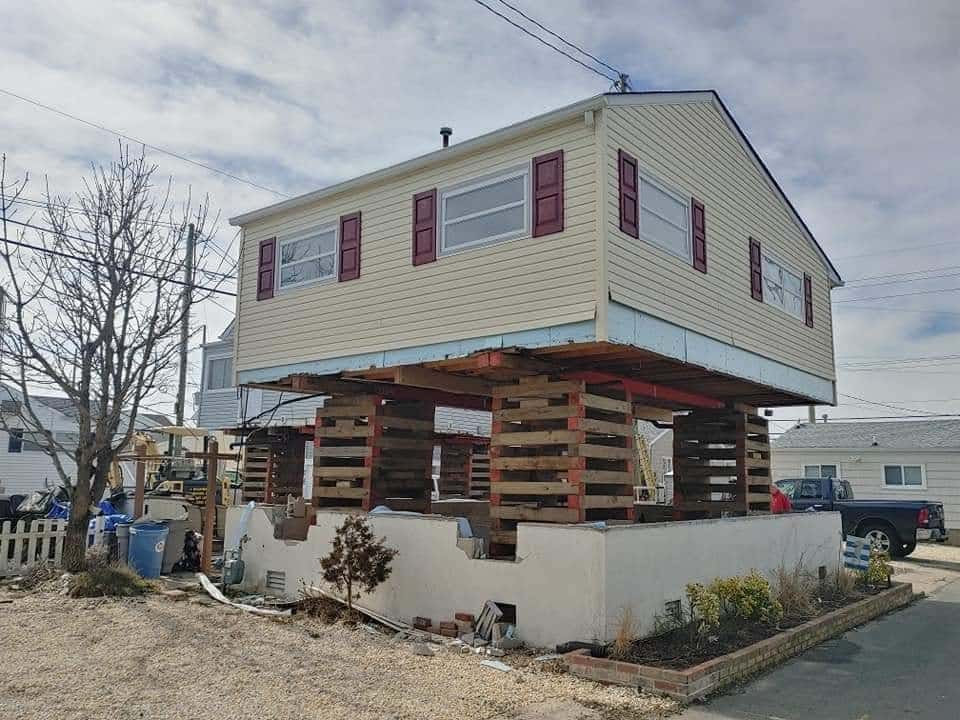
What compliance looks like in practice depends on your flood zone. In an AE zone, it typically means elevating the entire structure so the lowest floor reaches at least 12 inches above BFE, using flood-resistant materials below the flood level, and installing proper flood openings in any enclosed areas beneath the elevated structure. In a VE zone, the requirements are more demanding: pile, post, pier, or column foundations are required, structural fill is prohibited, and the building must be anchored to resist flotation, scour, collapse, and lateral movement from combined wind and flood loads.
“The homeowners who run into trouble aren’t the ones who know they need to elevate. It’s the ones who planned a major renovation without realizing that the scope of the work, combined with past repairs, would push them over the 50% threshold. That’s why we tell every homeowner in a flood zone to check with the city’s Building Division before they finalize any renovation plan.” — the team at DeVooght
How Do Rising Flood Insurance Premiums Factor Into the Elevation Decision?
FEMA’s Risk Rating 2.0, fully implemented in April 2023, replaced the 50-year-old methodology that based flood insurance premiums primarily on whether a property sat inside a flood zone. The new system calculates premiums based on more than 30 property-specific data points, including distance to water, flood frequency, foundation type, the height of the lowest floor relative to BFE, prior claims history, and the structure’s replacement cost.
For North Myrtle Beach homeowners, this shift has made elevation one of the most direct levers for controlling insurance costs. Under the old system, two homes in the same AE zone might pay similar premiums regardless of whether one sat three feet above BFE and the other sat at BFE. Under Risk Rating 2.0, the elevated home pays less because its individual risk profile is lower.
Premium increases under Risk Rating 2.0 are capped at 18% per year for most policyholders, but those increases compound annually until the premium reaches the property’s full-risk rate. For a home that’s significantly below current elevation standards, that glide path can mean years of steady premium growth. Elevating the structure resets the risk calculation and can produce immediate premium reductions that offset a meaningful portion of the elevation project cost over time.
“We’ve had homeowners in the Grand Strand tell us their flood insurance premiums have doubled in the past three years. When we show them what their premium would be after elevating to current standards, the house lift stops looking like a cost and starts looking like a financial strategy.” — David DeVooght
One financing resource many homeowners overlook: Increased Cost of Compliance (ICC) coverage. If your home is substantially damaged by a flood and you carry an NFIP policy, ICC can provide up to $30,000 toward the cost of bringing the structure into compliance, which includes elevation. It won’t cover the full cost of a house lift, but it reduces the out-of-pocket burden and is already built into most standard NFIP policies. Contact your insurance agent to confirm your ICC eligibility before starting the claims process. More details on financing options are available in our guide on how to pay for your home lift.
What Should North Myrtle Beach Homeowners Do Before Starting a Renovation or Repair?
The worst-case scenario is learning about the elevation requirement after you’ve already committed to a renovation budget that didn’t account for it. A few steps taken early in the planning process can prevent that.
Before you pull a permit:
- Confirm your flood zone and BFE: Contact the City of North Myrtle Beach Planning and Development Department at 843-280-5560 or use the city’s online flood zone map to identify your property’s SFHA designation and base flood elevation.
- Get an elevation certificate: If one doesn’t already exist for your property, hire a licensed surveyor to prepare one. This document establishes your current lowest floor elevation relative to BFE and is required for insurance rating and compliance verification. The city maintains a library of existing elevation certificates through the Building Division.
- Calculate your cumulative improvement exposure: Add up the cost of all permitted improvements and repairs made to the structure in recent years. Compare the total to the assessed structural value (land excluded) from Horry County. If you’re approaching 50%, any additional work could trigger full compliance.
- Talk to a qualified house lifting contractor: If elevation is likely, getting a realistic estimate early lets you plan the renovation and the lift as a single coordinated project. Doing them separately almost always costs more and adds time. Our guide on whether to lift before or after remodeling walks through the timing considerations.
- Verify your jurisdiction: Confirm whether your property falls within the City of North Myrtle Beach (12 inches of freeboard) or unincorporated Horry County (36 inches of freeboard). This single distinction can change the scope and cost of your elevation project by tens of thousands of dollars.
For homeowners who aren’t currently required to elevate but are watching their insurance premiums climb, voluntary elevation remains an option worth exploring. The combination of premium savings, increased property value, and reduced future flood risk often makes the financial case stronger than most homeowners expect, particularly for properties that plan to stay in the family or serve as rental investments for years to come. Our article on how house lifting impacts insurance premiums breaks down the numbers in detail.
“Every house lift we do in the Grand Strand starts with a conversation about what the homeowner actually needs. Sometimes it’s compliance after a substantial damage determination. Sometimes it’s a proactive decision to get ahead of insurance costs. Either way, the permitting and engineering work is the same, and getting it right the first time is what keeps the project on schedule and on budget.” — the team at DeVooght
How the DeVooght Team Can Help
The DeVooght House Lifters team is based in North Myrtle Beach and has spent over 55 years lifting and relocating structures across the Carolinas. We operate 11 Unified Hydraulic Lifting Machines and carry more than 2.5 million pounds of steel beams and 60,000 cribbing blocks to handle projects of every size, from single-family beach houses to multi-story commercial structures. Our team understands the local permitting process, works directly with Horry County and NMB code enforcement, and has earned more than 35 international and regional awards for our work in house lifting and structural relocation.
If you’re a North Myrtle Beach homeowner navigating elevation requirements, rising flood insurance costs, or a post-storm rebuild, we’re here to walk you through the process and help you find the right path forward. Call us at 844-203-9912 or reach out through our website for a free consultation on your house lifting or flood mitigation project.