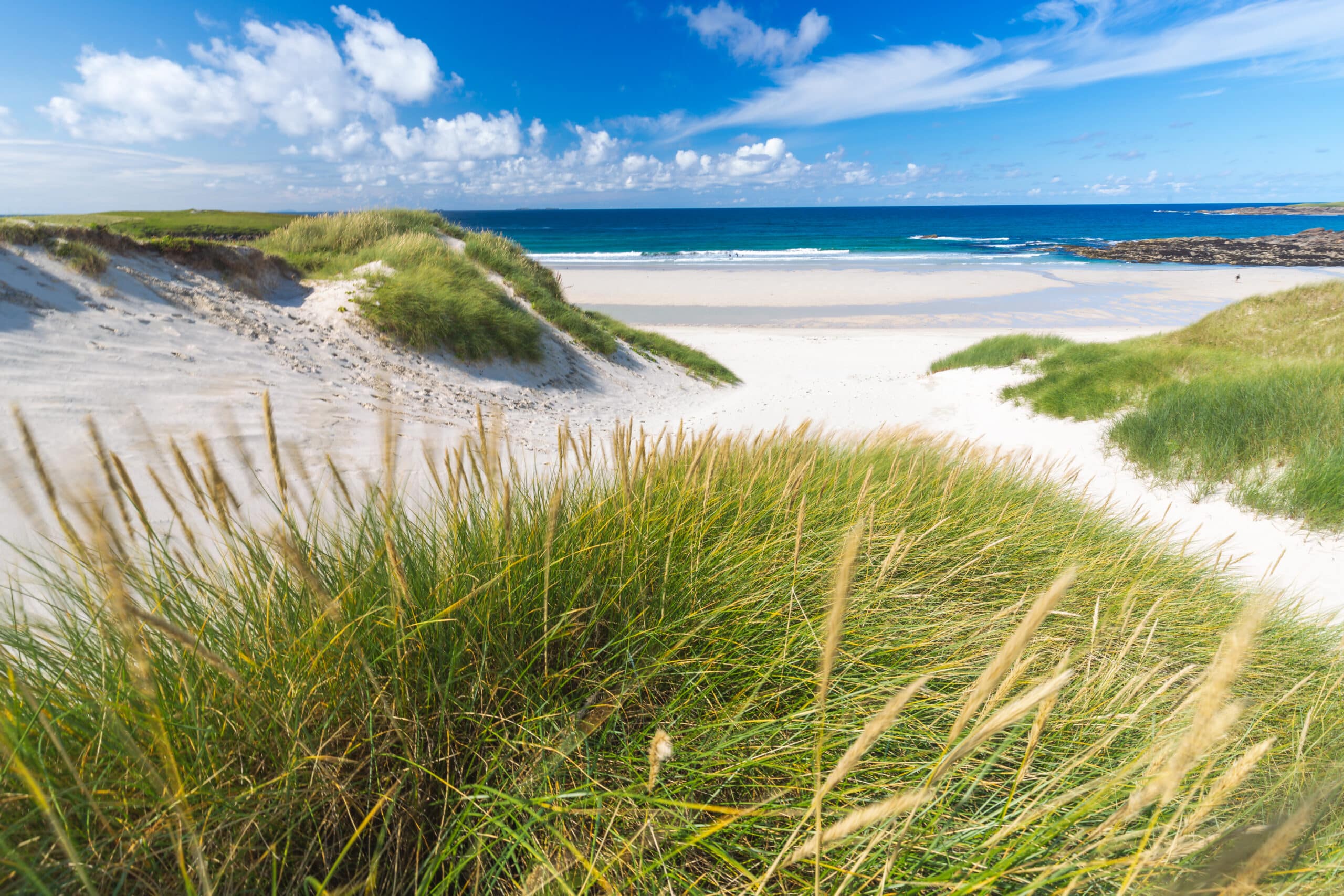
At DeVooght House Lifters, we understand the delicate balance between protecting your coastal home from flooding and preserving the natural environment around it. Coastal home elevations involve raising structures to safeguard against rising sea levels and storm surges, but these projects can disrupt local ecosystems if not handled thoughtfully. Native vegetation, such as salt-tolerant grasses, shrubs, and mangroves, plays a crucial role in stabilizing dunes, preventing erosion, and supporting wildlife habitats. By integrating preservation strategies into our elevation work, we ensure your property remains resilient while contributing to the health of the coastal landscape. This year, with increased focus on environmental stewardship amid climate challenges, prioritizing native plants during elevations has become essential for sustainable outcomes.
We approach each project with an eco-conscious mindset, collaborating with landscapers and ecologists to minimize impacts on flora. During the planning phase, we map out vegetation zones to identify species worth saving, often relocating them temporarily to nurture areas before replanting post-elevation. This not only complies with local regulations but also enhances your property’s biodiversity and aesthetic appeal. Homeowners often tell us how these efforts result in yards that are more vibrant and low-maintenance, as native plants require less water and fertilizers than exotic alternatives. By weaving in keywords like coastal vegetation preservation in home lifting, eco-friendly elevation techniques, and native plant protection during structural raises, we underscore the intersection of safety and sustainability. Elevating your home doesn’t have to come at nature’s expense—when done right, it can actually bolster the surrounding ecosystem.
Exploring this further reveals how thoughtful preservation reduces long-term erosion risks, with studies showing that well-maintained native buffers can absorb up to 90% of wave energy during storms. We encourage clients to view elevation as a chance to restore and enhance their coastal surroundings, creating havens that benefit both people and wildlife. In the sections ahead, we’ll detail the processes and benefits, equipping you with knowledge to make environmentally sound decisions.
To highlight the importance of native vegetation in coastal areas, we’ve gathered data on common species and their ecological roles.
| Native Plant Type | Erosion Control Effectiveness (%) | Wildlife Support Level | Water Usage Compared to Non-Natives (%) |
|---|---|---|---|
| Sea Oats | 85 | High | 50 Lower |
| Mangroves | 90 | Very High | 60 Lower |
| Beach Grass | 80 | Medium | 40 Lower |
| Saltmarsh Cordgrass | 75 | High | 55 Lower |
This table shows why preserving these plants is vital. We use similar assessments to guide our preservation plans during elevations.
Essential Native Vegetation Types for Coastal Preservation
- Dune Stabilizers: Plants like sea oats that hold sand in place.
- Wetland Protectors: Mangroves that filter water and provide habitats.
- Ground Covers: Grasses that prevent soil runoff.
- Shrubs and Trees: Species that offer wind breaks and shade.
- Flowering Natives: Attract pollinators for ecosystem balance.
These types form the backbone of our preservation strategies, ensuring comprehensive protection during projects.
Challenges in Preserving Vegetation During Coastal Elevations
Preserving native vegetation during coastal home elevations presents several challenges, but we at DeVooght tackle them with proven methods to maintain ecological integrity. One primary issue is site disturbance from heavy equipment used in lifting, which can compact soil and uproot plants, disrupting root systems essential for stability. Coastal soils are often sandy and fragile, making them prone to erosion during the process, especially if elevations occur near dunes or wetlands. Additionally, temporary shading from cribbing towers or machinery can stress sun-dependent species, leading to wilting or reduced growth. Regulatory hurdles add complexity; many coastal areas fall under protected zones requiring permits for any vegetation alteration, and non-compliance can result in fines or project delays.
We also face timing constraints—elevations are best scheduled during dormant seasons to minimize plant stress, but storm urgency often dictates otherwise. Saltwater intrusion from nearby tides can exacerbate damage if not managed, salinizing soil and harming sensitive natives. Homeowners sometimes overlook these factors, focusing solely on structural safety, but integrating preservation early prevents biodiversity loss that could affect local wildlife corridors. Our team conducts pre-lift surveys to identify at-risk areas, using protective barriers like silt fences to contain disturbances. This proactive stance not only safeguards plants but also ensures the project aligns with environmental laws, such as those from the Coastal Zone Management Act.
Environmental variability poses further challenges; unpredictable weather, like sudden rains, can wash away exposed roots, while invasive species might encroach on disturbed sites post-elevation. We mitigate this by partnering with local nurseries for temporary plant relocation, where species are cared for in controlled settings until replanting. Clients appreciate how these efforts maintain their property’s natural beauty, often enhancing curb appeal with healthier landscapes. This year, advancements in low-impact lifting techniques have reduced footprint sizes, allowing more vegetation to remain undisturbed. Overall, addressing these challenges transforms potential setbacks into opportunities for ecosystem enhancement, ensuring your elevated home coexists harmoniously with its coastal surroundings.
Here’s a table detailing common challenges and their potential impacts on vegetation.
| Challenge | Impact on Vegetation | Occurrence Rate in Projects (%) | Mitigation Cost Range (USD) |
|---|---|---|---|
| Equipment Disturbance | Root Damage | 65 | 2,000-5,000 |
| Soil Compaction | Reduced Growth | 50 | 1,500-4,000 |
| Regulatory Compliance | Delays in Preservation | 40 | 1,000-3,000 |
| Weather Variability | Erosion and Stress | 55 | 2,500-6,000 |
These figures help us prioritize strategies for effective preservation.
Major Challenges in Vegetation Preservation
- Site Disruption: From machinery and materials.
- Seasonal Timing: Aligning with plant cycles.
- Regulatory Barriers: Navigating permits.
- Invasive Threats: Post-project encroachments.
- Soil and Water Issues: Maintaining quality.
By anticipating these, we develop robust plans that protect native flora throughout the elevation.
Strategies for Effective Native Plant Preservation in Elevations
Implementing strategies for preserving native vegetation during coastal home elevations requires careful planning, and we at DeVooght employ a multi-step approach to achieve optimal results. We begin with a detailed site inventory, cataloging species and their locations using GPS mapping to create a preservation blueprint. This allows us to designate no-disturb zones where plants remain in place, protected by temporary fencing or mulch layers to cushion impacts. For unavoidable removals, we use root-pruning techniques to extract plants intact, transplanting them to on-site nurseries equipped with irrigation systems mimicking natural conditions.
During the actual lift, we minimize ground contact by using crane mats or low-pressure tires on equipment, distributing weight to prevent compaction. Post-elevation, replanting occurs swiftly, often within days, to reduce transplant shock— we enrich soil with organic amendments to restore nutrients lost during work. Incorporating erosion control measures, like biodegradable mats seeded with native grasses, stabilizes disturbed areas and promotes regrowth. We also educate homeowners on post-project care, such as avoiding chemical pesticides that harm natives, fostering long-term health.
Collaboration with environmental experts ensures strategies comply with habitat restoration guidelines, potentially qualifying projects for grants from organizations like the National Fish and Wildlife Foundation. This year, bioengineering methods like living shorelines have gained traction, where we integrate elevated structures with planted buffers to enhance wave attenuation. Clients benefit from these strategies through resilient landscapes that require less upkeep, saving on watering and landscaping costs. Our goal is to leave the site better than we found it, blending structural safety with ecological vitality for a truly sustainable elevation.
To outline strategy effectiveness, consider this table.
| Strategy | Success Rate (%) | Implementation Time (Days) | Environmental Benefit |
|---|---|---|---|
| Site Inventory | 95 | 2-4 | Targeted Protection |
| Protective Barriers | 90 | 1-3 | Minimal Disturbance |
| Temporary Transplantation | 85 | 3-5 | Plant Survival |
| Erosion Control Mats | 92 | 2-4 | Soil Stabilization |
This data informs our tailored applications.
Preservation Strategies During Elevations
- Inventory Mapping: Identify and plan for species.
- Protective Measures: Shield in-place plants.
- Transplant Protocols: Relocate safely.
- Soil Restoration: Amend for health.
- Long-Term Monitoring: Ensure regrowth.
These strategies ensure vegetation thrives alongside your elevated home.
Long-Term Benefits of Vegetation Preservation in Coastal Projects
Preserving native vegetation during coastal home elevations delivers long-term benefits that extend far beyond the project completion, and we at DeVooght emphasize these to highlight the value of our eco-integrated approach. Healthy native plants continue to combat erosion, with root systems binding soil and reducing landslide risks by up to 70% in vulnerable areas. This natural defense complements the elevated structure, creating a layered protection against storms and sea level rise. Over time, preserved vegetation enhances biodiversity, attracting birds, insects, and marine life that contribute to a balanced ecosystem, improving overall environmental quality around your property.
Financially, these efforts yield savings through lower maintenance—native plants adapt to local conditions, cutting irrigation needs by 50% and eliminating fertilizer expenses. Properties with intact coastal landscapes often see increased values, as buyers prioritize eco-friendly features, potentially boosting resale by 10-15%. We observe that preserved sites recover faster from disturbances, with vegetation acting as a buffer that absorbs pollutants and improves water quality in nearby waterways. Community-wide, these projects set examples for sustainable development, fostering neighborhood resilience and compliance with conservation initiatives.
Environmentally, reduced carbon emissions from minimal landscaping inputs support climate goals, while habitats sustain endangered species. Homeowners enjoy aesthetic and wellness perks, like shaded outdoor spaces that encourage relaxation amid natural beauty. This year, as coastal regulations tighten, preserved projects streamline future permits and avoid penalties. Ultimately, our preservation focus ensures your elevated home integrates seamlessly with its surroundings, providing enduring ecological, economic, and personal rewards.
Here’s a table on long-term benefits.
| Benefit Category | Quantitative Impact | Timeline for Realization (Years) | Broader Outcome |
|---|---|---|---|
| Erosion Reduction | 60-70% | 1-3 | Land Stability |
| Cost Savings | 40-50% Lower Maintenance | 2-5 | Financial Efficiency |
| Biodiversity Boost | Increased Species Diversity | 3-7 | Ecosystem Health |
| Property Value Increase | 10-15% | 4-8 | Investment Growth |
These metrics showcase sustained value.
Long-Term Preservation Benefits
- Erosion Control: Ongoing soil protection.
- Cost Efficiency: Reduced upkeep.
- Habitat Enhancement: Wildlife support.
- Value Appreciation: Market advantages.
- Regulatory Ease: Future compliance.
These benefits make preservation a wise choice for coastal elevations.
In conclusion, at DeVooght House Lifters, we expertly preserve native vegetation during coastal home elevations, blending our structural knowledge with environmental care to create properties that are safe, sustainable, and harmonious with nature.
If you’re elevating your coastal home and want to protect surrounding plants, contact the DeVooght team today for expert help with house elevation.