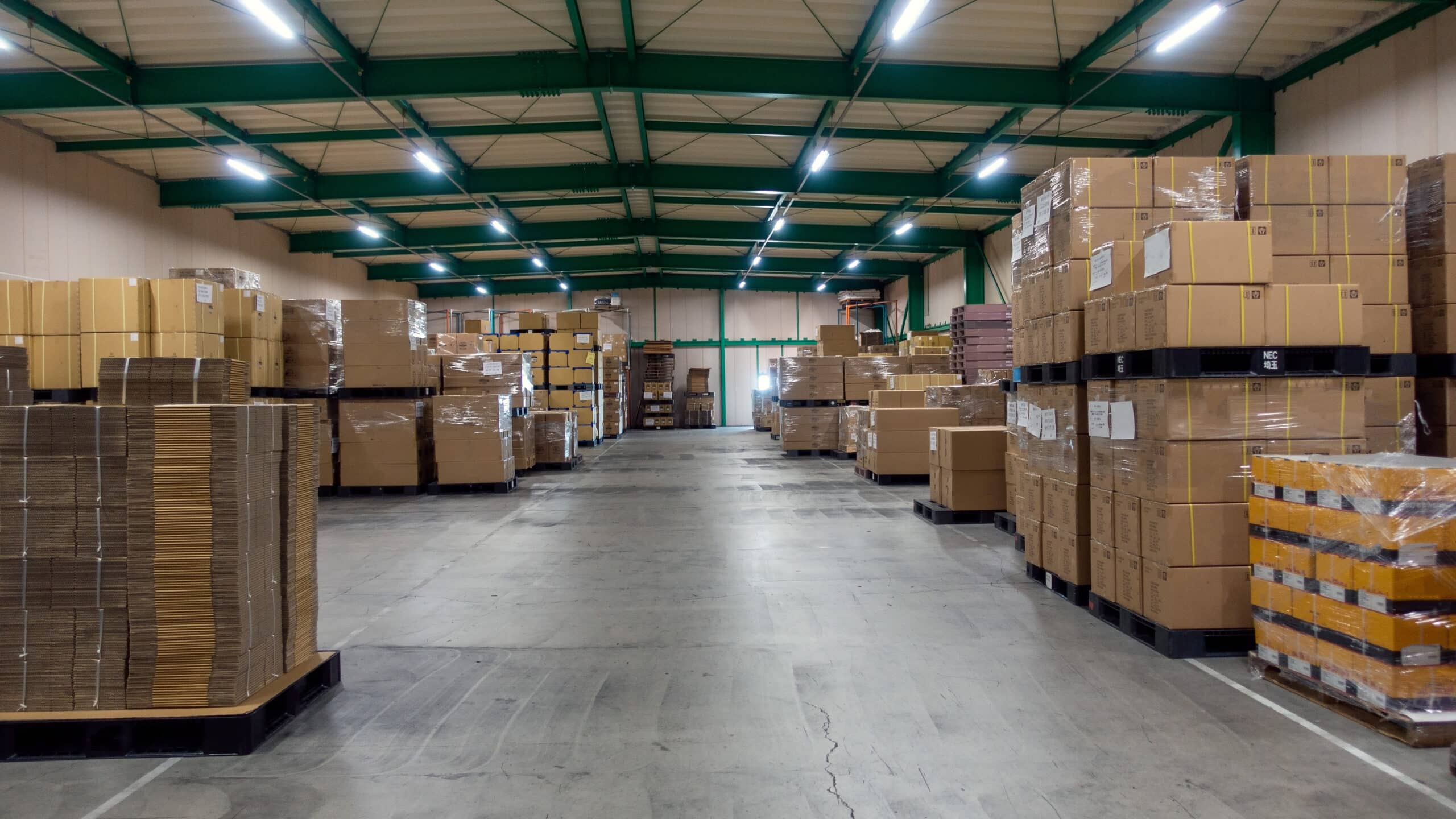
At DeVooght House Lifters, we specialize in handling the intricate process of relocating commercial warehouses, turning what seems like a daunting task into a manageable and successful endeavor. Commercial warehouse relocation involves moving large-scale structures that house inventory, equipment, and operations, often in response to business expansion, urban redevelopment, or flood mitigation needs. These projects demand precision to minimize downtime and protect valuable assets inside. Whether it’s shifting a distribution center to a more strategic location or elevating one to avoid environmental risks, we address the unique demands of commercial properties. This year, with supply chain pressures and sustainability focuses on the rise, relocating warehouses has become a strategic move for many businesses aiming to optimize logistics and reduce operational costs.
We approach each relocation with a blend of engineering expertise and practical solutions, ensuring the structure arrives intact and ready for immediate use. Challenges like heavy loads, regulatory hurdles, and site preparation are common, but our tailored strategies overcome them effectively. By incorporating keywords such as commercial building relocation services, warehouse moving challenges, and structural relocation solutions for businesses, we emphasize how these projects enhance efficiency and resilience. Business owners often find that a well-executed relocation not only resolves immediate issues but also positions their operations for future growth. As we explore the challenges and solutions, you’ll gain insights into making informed decisions for your warehouse needs.
Understanding the scope is key—statistics indicate that commercial relocations can cut transportation costs by 15-25% when moving closer to key markets, but only if executed without major disruptions. We prioritize minimizing business interruptions, using advanced techniques to keep timelines tight. In the sections that follow, we’ll break down the primary challenges and our proven solutions, helping you envision a smooth transition for your commercial warehouse.
To provide context on the scale of these projects, here’s a table summarizing typical warehouse sizes and relocation factors based on industry trends.
| Warehouse Size (sq ft) | Average Weight (tons) | Relocation Distance (miles) | Estimated Downtime (days) |
|---|---|---|---|
| 50,000-100,000 | 200-400 | 1-5 | 3-7 |
| 100,000-200,000 | 400-800 | 5-10 | 5-10 |
| 200,000+ | 800+ | 10+ | 7-14 |
This data highlights the variability and planning required. We use such benchmarks to customize our approaches, ensuring efficiency across different scales.
Essential Elements of Warehouse Relocation
- Structural Assessment: Evaluate building integrity pre-move.
- Inventory Management: Protect contents during transit.
- Site Preparation: Ready the new location.
- Regulatory Compliance: Secure permits.
- Post-Move Setup: Reintegrate operations quickly.
These elements guide our comprehensive relocation services, addressing every facet for optimal results.
Common Challenges in Relocating Commercial Warehouses
Relocating a commercial warehouse presents a series of challenges that can impact timelines, budgets, and operations, but we at DeVooght have navigated them countless times to deliver seamless outcomes. One major hurdle is the sheer size and weight of these structures—warehouses often exceed hundreds of tons, requiring specialized equipment like unified jacking systems and heavy-duty rollers to lift and transport without damage. Uneven loads from stored inventory complicate this, as shifting contents can cause internal stresses during the move. Additionally, site accessibility poses issues; narrow roads, overhead wires, or urban congestion demand meticulous route planning to avoid delays or accidents.
Regulatory and permitting challenges add layers of complexity. Each municipality has unique requirements for oversize loads, environmental impacts, and zoning approvals, which can extend preparation phases if not addressed early. For warehouses in industrial zones, coordinating with utility companies for disconnections and reconnections is essential, yet timing mismatches can halt progress. Environmental factors, such as soil instability at the new site or weather vulnerabilities, further complicate matters—relocating during rainy seasons risks mudslides or erosion that undermine foundations. Business continuity is another concern; prolonged downtime affects supply chains, potentially leading to revenue losses estimated at 5-10% per day for large operations.
We also encounter logistical challenges with inventory protection. Warehouses hold valuable goods that must be secured or temporarily relocated, increasing costs and coordination efforts. Structural modifications might be needed if the building doesn’t fit the new site’s dimensions or codes, leading to unexpected engineering work. This year, supply chain disruptions have amplified material shortages for reinforcements, pushing budgets higher. Despite these, proactive strategies like early assessments mitigate risks, turning obstacles into planned steps. Clients who partner with us appreciate how we anticipate these issues, ensuring relocations stay on track and within scope.
Here’s a table outlining prevalent challenges and their potential impacts.
| Challenge | Impact on Project | Frequency in Projects (%) | Mitigation Difficulty (1-10) |
|---|---|---|---|
| Structural Weight | Delays in Transport | 70 | 8 |
| Regulatory Permits | Extended Timelines | 60 | 7 |
| Site Accessibility | Increased Costs | 55 | 6 |
| Inventory Handling | Operational Disruptions | 65 | 9 |
These insights from our experience help in prioritizing solutions.
Major Warehouse Relocation Challenges
- Load Management: Handle heavy, uneven weights.
- Permit Navigation: Comply with local laws.
- Environmental Risks: Adapt to site conditions.
- Business Downtime: Minimize interruptions.
- Modification Needs: Adjust for new sites.
By identifying these early, we craft strategies that address them head-on, safeguarding your investment.
Effective Solutions for Warehouse Relocation Challenges
We at DeVooght implement a range of effective solutions to tackle warehouse relocation challenges, ensuring projects proceed efficiently and safely. For structural weight issues, we employ advanced unified hydraulic jacking systems that distribute loads evenly, allowing precise lifting and rolling onto transport beams. This technology, combined with computer simulations, predicts stresses and adjusts in real-time, preventing damage to the building or contents. Site preparation at the new location includes soil stabilization techniques like grouting or piling to create a stable foundation, addressing environmental risks proactively.
Regulatory hurdles are overcome through dedicated permitting teams who liaise with authorities from the start, compiling comprehensive applications that include traffic plans and environmental impact statements. We often secure expedited reviews by demonstrating compliance with safety standards, reducing wait times significantly. For accessibility, detailed route surveys using GPS and drone mapping identify obstacles, enabling custom transport paths or temporary modifications like wire elevations. Inventory solutions involve phased moves where possible—securing goods in place with internal bracing or coordinating temporary storage to maintain operations.
To minimize downtime, we schedule relocations during off-peak business hours or weekends, using modular approaches that allow partial occupancy. Engineering modifications, such as resizing doorways or reinforcing frames, are planned via 3D modeling for accuracy. This year, integrating sustainable practices like reusable transport materials has cut costs and environmental footprints. Our holistic solutions not only resolve immediate challenges but also enhance the warehouse’s long-term functionality, such as adding flood-resistant features during the process.
Consider this table of solutions and their effectiveness.
| Solution | Targeted Challenge | Success Rate (%) | Cost Efficiency (1-10) |
|---|---|---|---|
| Hydraulic Jacking | Weight Management | 95 | 8 |
| Permitting Expertise | Regulatory Issues | 90 | 7 |
| Route Mapping | Accessibility | 85 | 9 |
| Phased Inventory | Downtime | 92 | 8 |
These proven methods drive our success rates.
Key Solutions for Relocation Success
- Advanced Lifting Tech: Ensure stable transport.
- Early Permitting: Streamline approvals.
- Site Stabilization: Prepare grounds thoroughly.
- Operational Phasing: Reduce business impact.
- Custom Engineering: Adapt structures seamlessly.
Implementing these, we deliver relocations that exceed expectations.
Planning and Execution Strategies for Smooth Relocations
Planning and executing a commercial warehouse relocation requires strategic foresight, and we at DeVooght excel in orchestrating these to achieve optimal results. The process begins with a detailed feasibility study, assessing the current structure’s condition, new site’s suitability, and business requirements. We create a customized timeline that factors in seasonal weather, peak operational periods, and supply chain needs, often dividing the project into phases: preparation, lift and move, and reinstallation. This structured approach minimizes surprises and aligns with client goals.
Execution involves coordinated teams—engineers for design, riggers for lifting, and logistics experts for transport. We use heavy-haul trailers equipped with hydraulic suspensions for smooth transit over varied terrains. Real-time monitoring with sensors tracks vibrations and loads, allowing immediate adjustments. Post-move, we handle foundation integration and utility hookups swiftly, conducting final inspections to certify stability. Training for staff on new layouts ensures quick resumption of activities.
Cost management is integral; we provide transparent budgets with contingencies for variables like weather delays. This year, digital tools like project management software have enhanced collaboration, keeping stakeholders informed. Businesses benefit from our end-to-end service, which includes insurance coordination and risk assessments, turning complex relocations into strategic advantages.
Here’s a table of planning stages and timelines.
| Planning Stage | Duration (Weeks) | Key Activities | Resource Needs |
|---|---|---|---|
| Feasibility Study | 2-4 | Assessments, Surveys | Engineers, Data Analysts |
| Design and Permitting | 4-6 | Blueprints, Approvals | Permitting Teams |
| Execution | 2-4 | Lift, Transport | Rigging Crews |
| Reinstallation | 1-3 | Foundation, Utilities | Installation Specialists |
This framework ensures efficiency.
Strategic Planning Steps
- Initial Assessment: Evaluate viability.
- Timeline Development: Schedule phases.
- Team Coordination: Assign roles.
- Monitoring Implementation: Track progress.
- Final Verification: Confirm completion.
These strategies facilitate flawless executions.
Long-Term Benefits of Professional Warehouse Relocation
Professional relocation of commercial warehouses offers substantial long-term benefits, and we at DeVooght focus on these to justify the investment for our clients. Relocated warehouses often enjoy improved locations, reducing logistics costs by 20-30% through better access to highways or ports. Enhanced resilience against floods or expansions accommodates growth, future-proofing operations. Property values rise with modernized structures, attracting investors or buyers.
Sustainability gains include energy-efficient upgrades during moves, lowering utility bills. Reduced downtime from expert handling preserves revenue streams, with many businesses reporting quicker ROI. Compliance with evolving regulations ensures longevity, avoiding future penalties.
Overall, these benefits position your business for sustained success.
To quantify, this table.
| Benefit | Short-Term Impact | Long-Term Gain | ROI Timeline (Months) |
|---|---|---|---|
| Cost Reduction | Logistics Savings | 25% Lower Expenses | 6-12 |
| Resilience | Immediate Protection | Extended Lifespan | 12-24 |
| Value Increase | Higher Appraisal | Market Appeal | 18-36 |
| Sustainability | Efficiency Upgrades | Reduced Emissions | 9-18 |
These underscore lasting value.
Enduring Relocation Benefits
- Operational Optimization: Streamline workflows.
- Growth Enablement: Support expansions.
- Financial Returns: Boost profits.
- Regulatory Alignment: Stay compliant.
- Environmental Improvements: Promote green practices.
These advantages make relocations worthwhile.
In conclusion, at DeVooght House Lifters, we provide expert solutions for relocating commercial warehouses, overcoming challenges with precision and ensuring your business thrives in its new setting.
If you’re considering moving your warehouse and need reliable expertise, contact the DeVooght team today for expert help with structural relocations.