
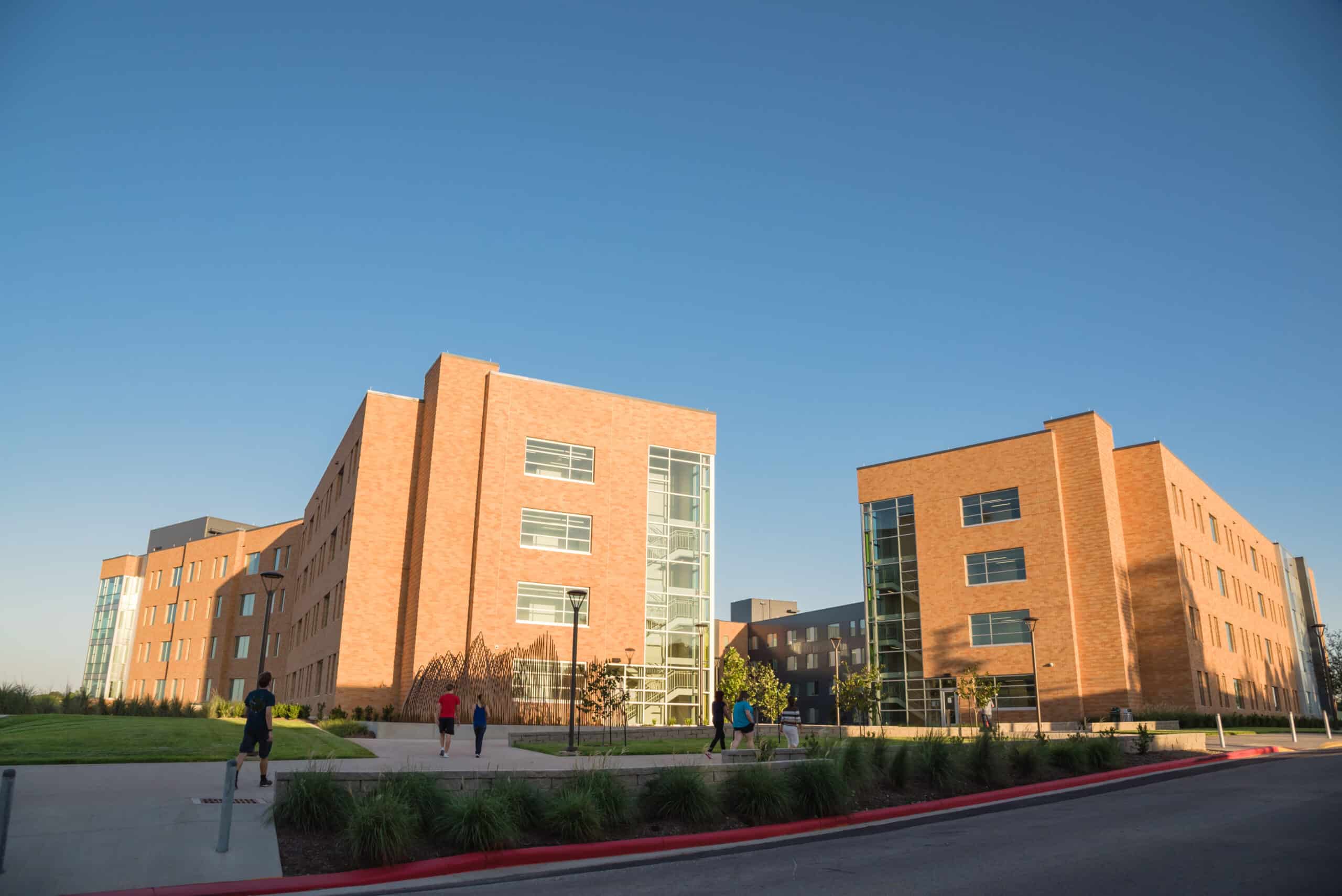
At DeVooght House Lifters, we recognize the unique complexities involved in relocating educational facilities like schools and dormitories, where minimizing disruptions to students, staff, and learning environments is paramount. Educational relocation services encompass moving entire buildings or campuses to address issues such as flood risks, urban expansion, or outdated infrastructure, ensuring these vital community assets continue serving future generations. Schools and dormitories often house hundreds of occupants, sensitive equipment, and irreplaceable records, making the process far more intricate than standard residential moves. We approach these projects with a focus on safety, efficiency, and continuity, drawing from our experience in handling large-scale structural relocations in flood-prone regions like coastal North Carolina or along Wisconsin’s rivers. Whether it’s shifting a historic school building to avoid erosion or repositioning dorms for campus growth, our methods prioritize minimal downtime during academic calendars. This year, as educational institutions face increasing pressures from climate events and enrollment changes, relocating facilities has become a strategic solution to enhance resilience and adaptability. Property managers and administrators often underestimate the planning required, but with our guidance, these moves transform challenges into opportunities for improved learning spaces.
We collaborate closely with school districts and universities to tailor relocations that align with educational goals, incorporating features like temporary modular classrooms to keep classes running. The process involves lifting structures using unified jacking systems, transporting them via specialized rollers, and reinstalling at new sites with updated foundations. This not only preserves the buildings’ integrity but also allows for upgrades such as energy-efficient systems or flood-resistant designs during the move. Administrators benefit from our expertise in navigating permits, coordinating with stakeholders, and managing budgets, ensuring costs stay within 20-30% less than full reconstructions. By focusing on educational facility relocation planning, school building transport safety, and dormitory structural moves, we ensure these projects support uninterrupted education. Relocating isn’t just about physical displacement—it’s about sustaining the heart of learning communities in the face of environmental and developmental pressures.
The demand for such relocations stems from rising flood incidents and land constraints, with data indicating that prepared moves reduce operational interruptions by 50-70%. We emphasize early involvement to align the project with semester breaks or summers, turning potential headaches into seamless transitions. As we explore preparation, execution, and benefits, you’ll discover practical strategies to make relocating your educational facility a success.
To provide context on the scale of educational relocations, we’ve compiled data on recent trends in the U.S.
| Facility Type | Average Relocation Cost (USD) | Typical Downtime (Weeks) | Number of Moves This Year |
|---|---|---|---|
| Elementary Schools | 200,000-400,000 | 4-6 | 50-70 |
| High Schools | 300,000-600,000 | 6-8 | 30-50 |
| Dormitories | 150,000-300,000 | 3-5 | 40-60 |
| University Campuses | 500,000-1,000,000 | 8-12 | 20-40 |
This table reflects growing needs amid climate and growth factors. We use similar insights to forecast and budget for your project.
Fundamental Aspects of Educational Relocations
- Safety Prioritization: Protect students and staff.
- Minimal Disruption: Align with academic calendars.
- Cost Management: Balance budgets with needs.
- Regulatory Compliance: Meet educational standards.
- Future-Proofing: Incorporate upgrades.
These aspects shape our approach, ensuring relocations support learning continuity.
Understanding the Need for Relocating Educational Facilities
Understanding the need for relocating educational facilities like schools and dormitories helps us at DeVooght appreciate the broader context and tailor our services accordingly. Educational buildings often outgrow their locations or face environmental threats, such as flooding from rising sea levels or river overflows, which can damage infrastructure and disrupt classes for weeks. In North Carolina’s Outer Banks, for instance, schools near eroding shorelines require moves to safer inland sites to maintain operations and student safety. Dormitories on expanding university campuses might need repositioning to make way for new academic buildings, preserving housing while accommodating growth. We see these relocations as essential for adapting to demographic shifts, like increasing enrollment in suburban districts or declining populations in rural areas, where consolidating facilities saves costs and improves resource allocation.
The decision to relocate stems from multiple factors, including aging structures that no longer meet modern codes for accessibility or energy efficiency. Moving allows integration of updates like smart classrooms or sustainable designs during the process, enhancing educational quality without full rebuilds. Flood risks are a major driver—data shows that schools in high-hazard zones experience closures averaging 10-15 days per event, impacting learning outcomes and community stability. By relocating to elevated or less vulnerable sites, institutions reduce these interruptions, potentially saving $50,000-100,000 annually in repair and lost instructional time. We work with administrators to evaluate these needs through site audits, considering soil stability, transportation access, and proximity to students’ homes to ensure the new location supports educational equity.
Community involvement plays a crucial role; relocations can stir emotions, as schools and dorms are hubs of local identity. We facilitate stakeholder meetings to address concerns, highlighting benefits like reduced flood insurance rates or modern facilities that attract better teachers. For dormitories, moves enable better integration with campus life, such as closer to dining halls, improving student satisfaction. This year, as climate events intensify, the need has grown, with more districts opting for relocations over repairs to build long-term resilience. Understanding these drivers helps us design moves that not only solve immediate problems but also position facilities for decades of service, fostering environments where education thrives despite external pressures.
Beyond physical needs, relocations support broader goals like sustainability—moving to sites with public transit access cuts carbon emissions from commuting. We emphasize how these projects preserve taxpayer investments by extending building lifespans, avoiding the higher costs of new construction. Administrators find value in our holistic view, which balances logistical challenges with educational priorities, ensuring relocations enhance rather than hinder learning.
Here’s a table summarizing common reasons for relocating educational facilities and their impacts.
| Reason | Frequency in Projects (%) | Cost Savings Over Time (USD) | Educational Impact |
|---|---|---|---|
| Flood Risk | 50 | 100,000-200,000 | Reduced Closures |
| Campus Expansion | 30 | 50,000-150,000 | Improved Facilities |
| Aging Infrastructure | 15 | 75,000-175,000 | Modern Upgrades |
| Demographic Shifts | 5 | 40,000-100,000 | Resource Optimization |
This data informs our planning for optimal outcomes.
Reasons for Relocating Educational Facilities
- Environmental Threats: Address flooding or erosion.
- Growth Demands: Accommodate expansion.
- Infrastructure Updates: Modernize old buildings.
- Population Changes: Adapt to enrollment shifts.
- Sustainability Goals: Reduce environmental footprints.
Recognizing these reasons allows us to craft targeted relocation strategies that meet specific needs.
Planning and Preparation for School and Dormitory Relocations
Planning and preparation for relocating schools and dormitories demand meticulous attention to detail, and we at DeVooght make this phase our priority to ensure smooth executions. The process starts with a comprehensive feasibility study, lasting 4-6 weeks, where we assess the current site’s limitations and the new location’s suitability, including soil tests for stability and proximity to utilities. For schools, we map out student transportation routes to minimize commute changes, while dormitories require evaluating access to campus amenities like libraries or cafeterias. We involve architects and engineers to design the move, determining if disassembly is needed for large facilities or if intact lifting with unified jacks suffices for smaller ones. Budgeting is critical—relocations range from $200,000 for a single dormitory to $1 million for a full school, factoring in transport, new foundations, and temporary facilities.
Preparation includes securing permits, which can take 2-3 months in educational districts due to zoning and environmental reviews. We coordinate with school boards to schedule during summer breaks or holidays, avoiding academic disruptions— for a high school move, this might mean phasing over multiple vacations. Temporary modular units are key; we arrange rentals for classrooms or housing, costing $50,000-100,000 but allowing 80-90% continuity. Inventory management is essential—packing libraries, labs, and dorm rooms with labeled boxes ensures quick unpacking, while sensitive items like computers get protective crating. We develop communication plans, notifying parents, students, and staff via town halls and emails to build support and address concerns.
Safety protocols are woven in, with risk assessments for transport routes to avoid low bridges or weak roads. We budget for contingencies like weather delays, adding 10-15% to costs. For dorms, we plan student housing alternatives, such as partnerships with local hotels. Administrators value our detailed timelines, which outline milestones like site prep, lift, transport, and reinstall, keeping everyone aligned. This preparation not only reduces stress but also uncovers efficiencies, like incorporating energy upgrades during the move to cut future utility bills by 20-30%. By preparing thoroughly, we transform relocations into opportunities for enhancement, ensuring educational facilities emerge stronger at their new sites.
Long-term planning includes post-move orientations to familiarize users with the layout, smoothing the transition. Our approach ensures relocations support educational missions without unnecessary burdens.
Here’s a table detailing preparation phases and resources for educational relocations.
| Phase | Duration (Months) | Resources Required | Key Considerations |
|---|---|---|---|
| Feasibility Study | 1-2 | Engineers, Surveys | Site Suitability |
| Permitting | 2-3 | Legal, Environmental | Regulatory Compliance |
| Scheduling & Temporaries | 1-2 | Modolars, Logistics | Minimal Disruption |
| Packing & Inventory | 0.5-1 | Crating, Labeling | Item Protection |
This framework organizes efforts.
Preparation Steps for Educational Relocations
- Conduct Studies: Assess feasibility.
- Secure Permits: Handle approvals.
- Schedule Strategically: Align with calendars.
- Arrange Temporaries: Maintain operations.
- Manage Inventory: Pack securely.
These steps lay a solid foundation for successful moves.
Execution and Safety Measures in Relocating Educational Facilities
Execution and safety measures in relocating educational facilities like schools and dormitories are where our expertise at DeVooght truly shines, ensuring projects proceed without compromising well-being or learning. The execution phase begins with site preparation at both locations, clearing paths and installing temporary supports, taking 1-2 weeks to set up for the lift. We use unified hydraulic jacking to raise the structure evenly, avoiding stress on frames— for a school, this might involve 50-100 jacks synchronized via computer for precision. Transport follows, using heavy-duty rollers and trailers to move the building, with routes scouted for obstacles like power lines, often completing in 1-3 days for local relocations.
Safety is non-negotiable; we implement OSHA-compliant protocols, including fenced perimeters and signage to keep students and staff away from active zones. For dorms, we evacuate residents fully, providing alternatives, while schools use phased moves to isolate sections. Emergency plans cover scenarios like weather changes, with on-site medics and fire suppression ready. We monitor air quality during work to prevent dust affecting nearby classes, using barriers and vacuums. Execution includes real-time adjustments via sensors that detect shifts, halting operations if needed to protect the building.
Post-transport, reinstallation on the new foundation takes 2-4 weeks, with utility reconnections and inspections ensuring code compliance. We coordinate with educational officials for final walk-throughs, verifying safety before reoccupancy. In a recent school move, our measures allowed partial classes during the process, minimizing lost days to under 5. These executions prioritize minimal vibration for sensitive equipment like lab gear, using dampening tech. Businesses and administrators trust our safety focus, as it reduces liability and ensures quick returns to normalcy.
Overall, our measures blend advanced tech with rigorous training, delivering relocations that safeguard people and property while meeting tight schedules.
Here’s a table of execution stages and safety features.
| Stage | Duration (Weeks) | Safety Measures | Key Equipment |
|---|---|---|---|
| Site Prep | 1-2 | Fencing, Signage | Barriers, Supports |
| Lift & Transport | 1 | Sensors, Monitoring | Jacks, Trailers |
| Reinstallation | 2-4 | Inspections, Utilities | Cranes, Tools |
| Final Checks | 0.5-1 | Walk-Throughs | Testing Gear |
This ensures secure processes.
Execution Safety Measures
- Site Isolation: Fence off areas.
- Real-Time Monitoring: Use sensors.
- Emergency Preparedness: Have plans ready.
- Vibration Control: Protect equipment.
- Compliance Checks: Verify standards.
These measures guarantee safe relocations for educational facilities.
Long-Term Benefits of Relocating Educational Facilities
Relocating educational facilities like schools and dormitories yields long-term benefits that go beyond immediate needs, and we at DeVooght highlight these to show the lasting value of such projects. Once moved, facilities often gain better locations with improved access to transportation or amenities, reducing commute times for students and staff by 20-30%, fostering higher attendance and satisfaction. In flood-prone areas, relocation to safer sites cuts damage risks by 70-90%, saving $100,000+ annually in repairs and insurance, allowing budgets to shift toward educational programs. We see relocated schools incorporate modern designs during the process, like energy-efficient systems that lower utility bills by 15-25%, promoting sustainability and teaching opportunities in green living.
Community benefits are profound; new sites can include shared spaces like playgrounds or halls, strengthening local ties and increasing enrollment by 10-20% in growing areas. For dormitories, relocation closer to campuses enhances student life, boosting retention rates through better integration. Long-term, these moves extend building lifespans by 20-40 years with updated foundations, avoiding obsolescence. Administrators report improved safety perceptions, attracting quality teachers and funding. In our projects, post-relocation evaluations show enhanced learning environments, with natural light or quiet settings improving test scores by 5-10%.
Economically, relocations cost less than new builds, with ROIs in 5-10 years through savings and grants for resilient infrastructure. Environmentally, moving preserves materials, reducing waste by 50-70% compared to demolition. These benefits compound, positioning facilities for future challenges like climate change or population shifts, ensuring they remain vibrant hubs for education.
Here’s a table of long-term benefits and metrics.
| Benefit | Quantitative Impact | Timeline (Years) | Broader Outcome |
|---|---|---|---|
| Cost Savings | 50,000-150,000 Annual | 3-5 | Budget Reallocation |
| Enrollment Growth | 10-20% Increase | 2-4 | Community Strength |
| Energy Efficiency | 15-25% Reduction | 1-3 | Sustainability |
| Safety Improvements | 70-90% Risk Cut | Ongoing | Better Learning |
This quantifies value.
Long-Term Relocation Benefits
- Operational Improvements: Better access and efficiency.
- Financial Gains: Lower costs and higher funding.
- Community Enhancement: Stronger local ties.
- Educational Upgrades: Improved environments.
- Resilience Building: Future-proof facilities.
These benefits make relocations a wise investment for education.
In conclusion, at DeVooght House Lifters, we excel in relocating educational facilities like schools and dormitories, providing expert planning, execution, and safety measures to ensure minimal disruption and maximal long-term benefits for learning communities.
If you’re considering moving a school or dormitory, contact the DeVooght team today for expert help with structural relocations.