
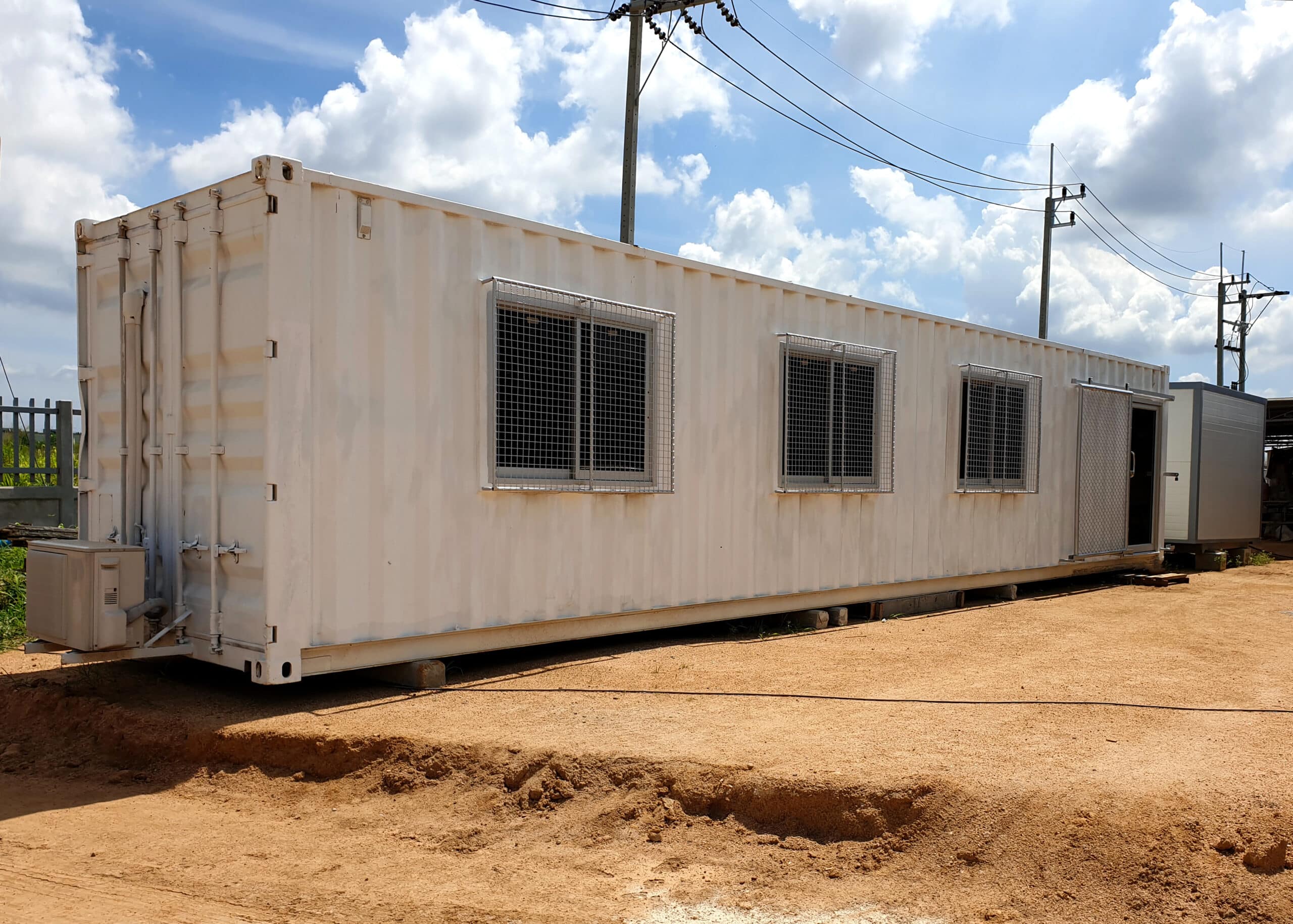
At DeVooght House Lifters, we specialize in the unique challenges of relocating modular office buildings, which are increasingly popular for their flexibility and cost-effectiveness in commercial spaces. Modular offices, constructed off-site in sections and assembled on location, offer businesses scalable solutions, but moving them requires careful planning to maintain structural integrity and minimize operational disruptions. Whether you’re expanding your company, shifting to a new development site, or avoiding environmental risks like flooding, relocating these buildings can extend their lifespan and adapt them to new needs. This step-by-step overview breaks down the process, from initial assessment to final setup, helping you understand how we make these moves seamless. In areas prone to urban growth or natural hazards, such as coastal regions or expanding cities, we’ve helped numerous businesses relocate without losing productivity. This year, with commercial real estate demands evolving, modular relocations provide a practical way to repurpose assets efficiently, saving on construction costs while meeting modern workspace requirements.
We approach each relocation with a focus on the modular design’s advantages—sections can be disassembled if needed, but often we lift and transport them intact using unified jacking systems. This preserves internal fittings like wiring and plumbing, reducing reinstallation time. Business owners frequently contact us after outgrowing their current site, and our expertise ensures the move aligns with zoning laws and safety standards. By incorporating keywords such as modular office relocation process, step-by-step building move, and commercial structure transport overview, we emphasize the methodical nature of these projects. Relocating isn’t just about transport; it’s about strategic planning that considers your operations, budget, and future growth. With data showing that modular buildings can be relocated for 20-30% less than new construction, this option is both economical and sustainable.
As we guide you through the steps, keep in mind that successful relocations hinge on early preparation and professional execution. We’ve seen projects where rushed moves led to delays, but our structured approach consistently delivers on time and within scope. In the sections that follow, you’ll get a comprehensive look at each phase, empowering you to envision how this could work for your modular office.
To give context on the rising trend of modular relocations, here’s a table summarizing key benefits and industry statistics.
| Aspect | Cost Savings Compared to New Build (%) | Average Relocation Time (Weeks) | Business Downtime Reduction (%) |
|---|---|---|---|
| Modular Design Flexibility | 20-30 | 4-6 | 40-50 |
| Transport Efficiency | 15-25 | 3-5 | 30-40 |
| Site Adaptation | 25-35 | 5-8 | 35-45 |
| Overall Sustainability | 20-40 | N/A | N/A |
This data highlights why businesses opt for relocations. We draw on similar trends to tailor our services, ensuring maximum value.
Core Components of Modular Office Relocations
- Sectional Assessment: Evaluate modular units.
- Transport Planning: Map safe routes.
- Site Preparation: Ready new foundation.
- Reassembly Protocols: Ensure seamless fit.
- Operational Integration: Minimize disruptions.
These components outline our holistic approach, addressing every detail for smooth transitions.
Assessing and Planning the Relocation of Modular Offices
The first step in relocating a modular office building is a thorough assessment and planning phase, where we at DeVooght lay the groundwork for a successful move. We begin with a site visit to evaluate the current structure, examining how the modules are connected, their overall condition, and any custom features like integrated HVAC or electrical systems. Modular buildings often consist of 4-10 sections, each weighing 10-20 tons, so we use engineering surveys to determine if disassembly is needed or if intact lifting is feasible. This assessment includes geotechnical tests on both old and new sites to confirm soil stability, preventing issues like uneven settling post-move. For businesses, we factor in operational needs—such as maintaining server rooms or workspaces—planning the relocation around off-hours to limit interruptions.
Planning extends to logistics: we map transport routes, securing permits for oversize loads and coordinating with utilities for disconnections. Budgeting is key; relocations typically cost $50,000-$150,000 depending on size and distance, but early planning can shave 10-20% off through efficiencies like combined disassembly and transport. We create a detailed timeline, often 4-8 weeks for preparation, incorporating contingencies for weather or regulatory approvals. Clients provide input on priorities, like preserving interior finishes, which we accommodate with protective wrappings. In flood-prone areas, we assess elevation potential at the new site, blending relocation with lifting for enhanced resilience.
This phase also involves risk analysis, using data on past moves to predict challenges like module separation stresses. We recommend insurance reviews to cover transit damages, ensuring comprehensive protection. Homeowners and business managers appreciate this meticulous planning, as it transforms a complex task into manageable steps, setting expectations and building confidence. By the end, you have a blueprint that aligns with your goals, whether cost-saving or quick turnaround, paving the way for execution without surprises.
Here’s a table detailing assessment factors and their importance.
| Assessment Factor | Weight in Planning (%) | Potential Risks Mitigated | Average Time Allocated (Days) |
|---|---|---|---|
| Structural Integrity | 40 | Collapse or Damage | 3-5 |
| Site Compatibility | 30 | Settlement Issues | 2-4 |
| Logistical Routes | 20 | Transport Delays | 1-3 |
| Operational Impact | 10 | Business Downtime | 2-3 |
This breakdown ensures balanced preparation.
Planning Essentials for Modular Relocations
- Site Evaluations: Check current and new locations.
- Module Inspections: Verify connections and conditions.
- Timeline Development: Schedule phases carefully.
- Budget Forecasting: Estimate costs accurately.
- Risk Contingencies: Prepare for variables.
These essentials form the foundation, guiding efficient relocations.
Executing the Disassembly and Transport Phases
Executing the disassembly and transport of modular office buildings requires precision and coordination, and we at DeVooght handle these phases with expertise to ensure safe, efficient moves. If disassembly is needed, we carefully separate sections at bolted joints, labeling components for easy reassembly and protecting exposed edges with weatherproof covers. For intact transports, we use unified jacking to lift the entire structure onto steel beams, then roll it onto lowboy trailers designed for heavy loads. This method suits shorter distances, preserving interiors and cutting reassembly time by 30-50%.
Transport involves specialized haulers navigating approved routes, with pilot cars for safety on highways. We monitor loads with GPS and sensors to detect shifts, adjusting as needed. Distances under 10 miles might take a day, while longer hauls span 2-3 days, depending on permits. Coordination with local authorities avoids peak traffic, minimizing disruptions. Businesses benefit from our phased approach, where non-essential modules move first, allowing partial operations to continue.
Safety protocols are paramount—we brace internals to prevent shifting and use hydraulic stabilizers on trailers for uneven roads. Post-transport, sections are staged at the new site, ready for foundation integration. Our crews, trained in modular specifics, ensure no damage occurs, with inspections at each step. Clients often note how this execution phase, though technical, proceeds smoothly due to our experience, turning potential chaos into controlled progress.
To illustrate execution timelines, consider this table.
| Phase | Duration (Days) | Key Equipment | Common Challenges Addressed |
|---|---|---|---|
| Disassembly | 2-4 | Jacks, Cranes | Joint Separation |
| Loading | 1-2 | Trailers, Rollers | Weight Distribution |
| Transport | 1-3 | Haulers, Pilots | Route Obstacles |
| Unloading | 1-2 | Cranes, Stabilizers | Site Access |
This structure maintains efficiency.
Execution Steps for Relocation
- Disassemble Safely: Separate modules carefully.
- Load Securely: Use specialized gear.
- Transport Monitored: Track in real-time.
- Unload Precisely: Position for setup.
- Inspect Thoroughly: Verify condition.
These steps ensure flawless execution.
Reassembly and Final Setup for Operational Readiness
Reassembly and final setup mark the culmination of modular office relocation, where we at DeVooght focus on restoring functionality swiftly. At the new site, we prepare the foundation—often pilings or slabs leveled to code—before craning sections into place. Bolting modules together follows original specs, with our team sealing joints for weatherproofing and reconnecting utilities like electrical and plumbing. This phase typically takes 3-5 days, depending on building size, with inspections ensuring alignment and stability.
Final setup includes interior checks: testing systems, cleaning, and configuring workspaces. We coordinate with your IT teams for network reinstalls, minimizing downtime to 1-2 days post-reassembly. For elevated setups, we integrate lifting to raise the reassembled structure, enhancing flood resistance. Businesses resume operations quickly, often within a week, thanks to our streamlined processes.
We provide walkthroughs and warranties, addressing any adjustments. This comprehensive setup not only restores but often improves the building, incorporating upgrades like energy-efficient features. Clients value the turnkey service, returning to a ready workspace with minimal hassle.
Here’s a table on setup components.
| Setup Component | Time Required (Days) | Key Benefits | Cost Factors |
|---|---|---|---|
| Foundation Prep | 2-3 | Stability | Site Conditions |
| Module Reassembly | 2-4 | Integrity | Labor |
| Utility Connections | 1-2 | Functionality | Permits |
| Interior Finalization | 1-2 | Readiness | Customizations |
This ensures completeness.
Reassembly and Setup Practices
- Foundation Alignment: Secure base first.
- Joint Sealing: Weatherproof connections.
- System Testing: Verify operations.
- Customization: Add enhancements.
- Final Inspections: Certify safety.
These practices deliver operational buildings promptly.
In conclusion, at DeVooght House Lifters, we offer end-to-end guidance for relocating modular office buildings, from assessment to setup, ensuring your business transitions smoothly with minimal interruption.
If you’re planning to move your modular office, contact the DeVooght team today for expert help with structural relocations.