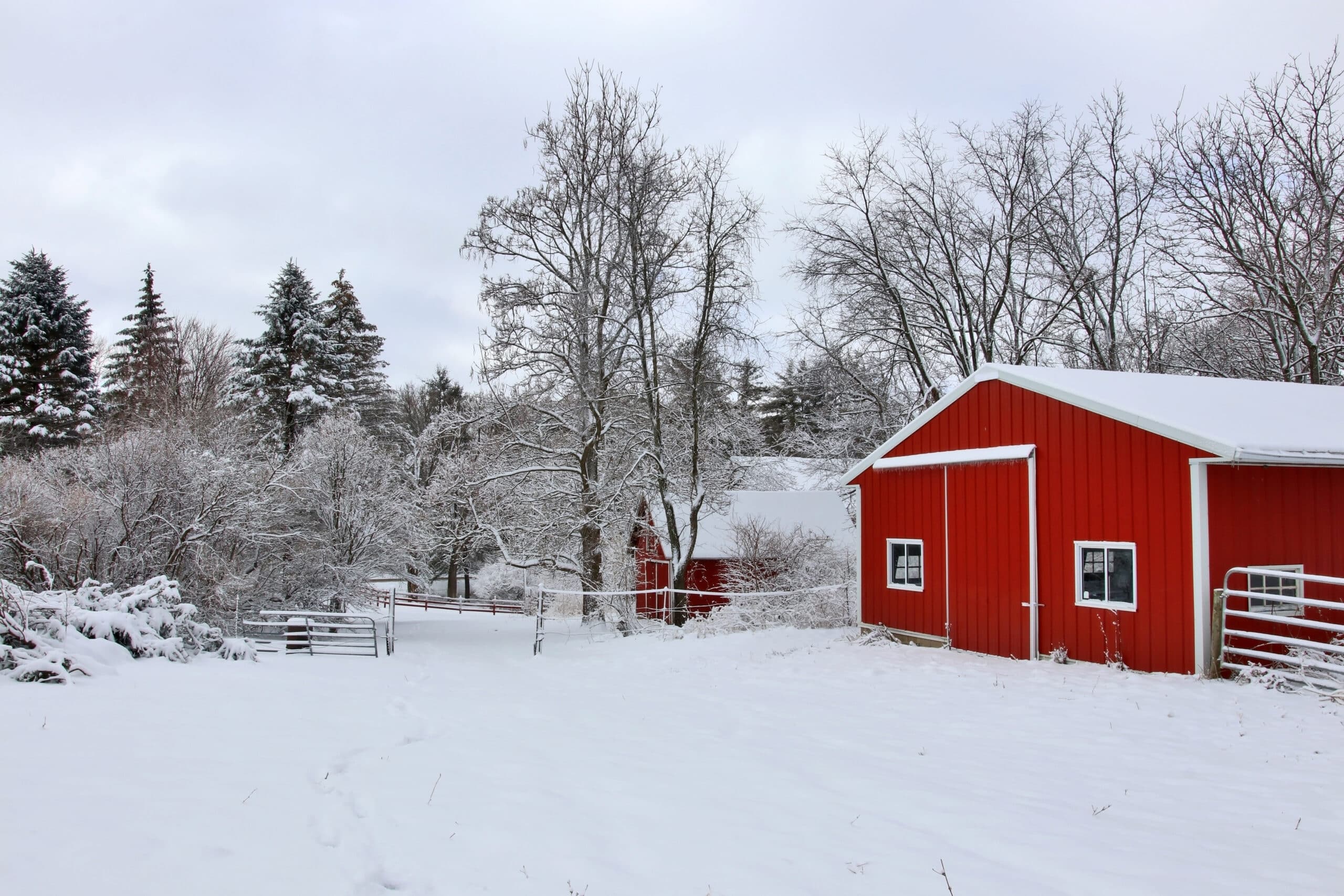
At DeVooght House Lifters, we tackle house lifting projects year-round, but Wisconsin winters present unique challenges that demand specialized safety protocols to protect both our team and your property. House lifting in cold weather involves raising structures using hydraulic jacks and supports, but freezing temperatures, snow accumulation, and icy conditions can complicate operations if not managed properly. These protocols ensure that elevations proceed smoothly, whether you’re lifting to add a basement, repair foundations, or mitigate flooding risks in areas like the Great Lakes region. We prioritize safety above all, drawing on decades of experience in harsh Midwestern winters where blizzards and sub-zero temps are common. This year, with fluctuating weather patterns bringing more intense storms, implementing robust winter protocols has become essential for preventing accidents, equipment failures, and project delays. By preparing meticulously, we turn potential hazards into manageable elements, allowing your home to be safely elevated even when the ground is frozen solid.
We often hear from homeowners worried about winter lifts, fearing slips, frozen hydraulics, or structural issues from frost heave. However, with our tailored approaches, we’ve successfully completed numerous projects in snow-covered conditions, ensuring compliance with OSHA standards and local building codes. These protocols encompass everything from site preparation to post-lift monitoring, integrating advanced tools and team training to maintain efficiency. Homeowners benefit from this expertise, as it minimizes risks and keeps timelines on track, often avoiding the higher costs of spring waits when demand surges. By incorporating keywords such as winter house lifting safety in Wisconsin, cold weather elevation protocols, and structural lifting in snowy conditions, we highlight how these measures enhance project outcomes. Lifting in winter isn’t just possible—it’s practical when done right, providing you with a resilient home sooner rather than later.
Understanding the impact of Wisconsin’s winters is key; data shows that cold snaps can drop productivity by 20-30% without proper protocols, but our methods counteract this effectively. We assess each site for frost depth, which can reach 4-5 feet in northern areas, adjusting techniques accordingly. As we explore the protocols in detail, you’ll see how they safeguard every aspect, empowering you to proceed with confidence during the off-season.
To illustrate the seasonal challenges, we’ve compiled data on winter weather effects on lifting projects in Wisconsin.
| Weather Factor | Average Impact on Projects | Mitigation Success Rate (%) | Typical Delay Without Protocols (Days) |
|---|---|---|---|
| Freezing Temperatures | Equipment Malfunctions | 85 | 3-5 |
| Snow Accumulation | Site Accessibility Issues | 90 | 2-4 |
| Ice Formation | Slip Hazards | 95 | 1-3 |
| Frost Heave | Structural Shifts | 80 | 4-7 |
This table underscores the need for proactive measures. We use such insights to customize protocols, ensuring high success rates across conditions.
Key Winter Safety Considerations for House Lifting
- Temperature Monitoring: Track daily lows to prevent fluid freezes.
- Snow Management: Clear paths for safe access.
- Ice Prevention: Use treatments on surfaces.
- Soil Assessment: Check frost penetration.
- Team Preparedness: Equip with cold-weather gear.
These considerations form the core of our winter strategies, addressing Wisconsin’s harsh elements head-on.
Preparing the Site and Equipment for Winter Conditions
Preparing the site and equipment for house lifting in Wisconsin winters is a foundational step that we at DeVooght take seriously to avoid complications from the cold. We start with a comprehensive site evaluation weeks in advance, measuring soil frost depth using probes to determine if thawing aids like ground heaters are needed. Frozen ground can hinder jack placement, so we often deploy insulated blankets or propane heaters to soften the earth, allowing secure cribbing installation without cracking the surface. This preparation prevents heave-related shifts, where expanding ice displaces supports, a common issue in clay-rich Wisconsin soils. Homeowners in areas like Milwaukee or Green Bay, where lake-effect snow adds moisture, benefit from our drainage plans that divert meltwater away from the work zone, reducing mud and slip risks as temps fluctuate.
Equipment readiness is equally vital; hydraulic jacks and pumps use fluids that thicken in cold, so we switch to low-temperature hydraulics rated for -20°F or below, ensuring smooth operation. We inspect all machinery daily, warming engines with block heaters and covering components to shield from snow. For access, we lay gravel or mats over icy paths, creating stable platforms for crews and vehicles. This not only enhances safety but also speeds up setup, cutting potential delays by 20-40%. We coordinate with local utilities to mark lines, avoiding frozen digs that could expose wires to damage. Clients appreciate how this upfront work—often spanning 3-5 days—transforms a snowy yard into a controlled workspace, complete with temporary fencing to contain debris and protect neighboring properties.
Environmental factors play a role too; we monitor forecasts for blizzards, postponing lifts if winds exceed 25 mph to prevent sway in elevated structures. By integrating these preparations, we comply with state safety regs while keeping your project on budget. In one winter project near Lake Michigan, our heated site prep allowed a full elevation despite a deep freeze, demonstrating how thorough planning yields reliable results even in unpredictable weather.
Here’s a table summarizing preparation elements and their benefits in winter lifts.
| Preparation Element | Cost Range (USD) | Benefit to Safety | Time Saved (Days) |
|---|---|---|---|
| Ground Thawing | 1,000-3,000 | Prevents Heave | 2-4 |
| Equipment Fluids | 500-1,500 | Reliable Operation | 1-2 |
| Site Matting | 800-2,000 | Reduced Slips | 1-3 |
| Weather Monitoring | Included | Avoids Storms | 3-5 |
These investments pay off in smoother executions.
Site and Equipment Preparation Steps
- Frost Depth Testing: Assess ground conditions.
- Heating Applications: Thaw as needed.
- Fluid Upgrades: Use cold-resistant materials.
- Access Improvements: Lay stable surfaces.
- Forecast Integration: Plan around weather.
Implementing these steps ensures your winter lift starts strong, with safety at the forefront.
Team Safety Measures and Training for Cold Weather Operations
Team safety measures and training are paramount during winter house lifting in Wisconsin, where cold exposure and slippery conditions pose serious risks, and we at DeVooght enforce rigorous protocols to protect everyone involved. We begin with mandatory cold-weather training for all crew members, covering topics like hypothermia recognition, proper layering with moisture-wicking gear, and the use of heated vests or gloves to maintain dexterity in sub-zero temps. OSHA guidelines mandate breaks in warmed trailers every hour when wind chills drop below 0°F, and we equip sites with these mobile units stocked with hot beverages and first-aid kits tailored for frostbite. This training, refreshed annually, includes simulations of icy scenarios, teaching safe jack handling and ladder use on frozen ground to prevent falls, which account for 30% of winter construction incidents.
Personal protective equipment (PPE) is upgraded for the season; we provide insulated boots with ice cleats, hard hats with liners, and high-visibility jackets to combat low light from short days. Communication is enhanced with radios and daily briefings on weather updates, ensuring the team adapts to changing conditions like sudden snow squalls. For lifting operations, we implement buddy systems where workers monitor each other for cold stress signs, and emergency response plans include nearby medical access for rapid treatment. Homeowners can rest assured knowing our zero-incident goal drives these measures, with safety audits conducted mid-project to refine approaches.
Beyond physical safety, we address mental well-being, offering resources for seasonal affective disorder common in long Wisconsin winters. This holistic training not only complies with state labor laws but also boosts efficiency, as a healthy team works more effectively. In past projects amid blizzards, these protocols allowed uninterrupted progress, proving their value in maintaining morale and productivity.
To highlight training components, consider this table.
| Training Component | Duration (Hours) | Coverage Rate (%) | Incident Reduction (%) |
|---|---|---|---|
| Hypothermia Awareness | 2-3 | 100 | 40-50 |
| PPE Usage | 1-2 | 100 | 30-40 |
| Emergency Drills | 3-4 | 95 | 50-60 |
| Weather Adaptation | 2 | 100 | 35-45 |
This structure supports our commitment to safety.
Team Safety Training Practices
- Cold Exposure Education: Teach recognition and prevention.
- Gear Provision: Supply winter-specific PPE.
- Break Schedules: Mandate warm-up periods.
- Monitoring Systems: Use buddy checks.
- Mental Health Support: Address seasonal challenges.
These practices safeguard our team, ensuring reliable winter lifts.
Monitoring and Post-Lift Protocols in Winter Environments
Monitoring and post-lift protocols are critical in Wisconsin winters to verify stability after house lifting, and we at DeVooght employ advanced techniques to track and maintain your elevated structure. During the lift, we install sensors on supports to monitor for frost-induced movements, as temperature swings can cause contraction or expansion in materials. Real-time data feeds alert us to any shifts exceeding 1/8 inch, allowing immediate adjustments with hydraulic fine-tuning. Post-lift, we conduct daily inspections for the first week, checking cribbing for ice buildup that could compromise holds, and applying de-icers as needed. This vigilance prevents settlement in thawing soils, a risk when spring arrives.
After securing the new foundation, we backfill with insulated materials to buffer against freeze-thaw cycles, reducing heave potential by 50-70%. We provide homeowners with maintenance guides, advising on snow removal around the site to avoid uneven loading. Final certifications include load tests in cold conditions, ensuring compliance with building codes that account for winter stresses. Our protocols extend to environmental monitoring, like groundwater levels affected by snowmelt, to preempt basement flooding in elevated homes.
Clients receive follow-up visits at 1, 3, and 6 months post-lift, where we reassess for any winter-related issues. This comprehensive monitoring not only guarantees safety but also extends the project’s longevity, giving you confidence in your investment amid harsh seasons.
Here’s a table on monitoring practices.
| Monitoring Practice | Frequency | Tools Used | Stability Assurance (%) |
|---|---|---|---|
| Sensor Tracking | Real-Time | Digital Gauges | 90 |
| Daily Inspections | First Week | Visual, Levels | 85 |
| Backfill Insulation | Post-Lift | Materials | 70 |
| Follow-Up Visits | Monthly | Assessments | 80 |
This ensures ongoing integrity.
Winter Monitoring Protocols
- Install Sensors: Track movements.
- Conduct Inspections: Check daily.
- Apply De-Icers: Prevent buildup.
- Backfill Strategically: Insulate against cycles.
- Schedule Follow-Ups: Reassess seasonally.
These protocols maintain safety long-term.
In conclusion, at DeVooght House Lifters, we implement comprehensive winter safety protocols for house lifting in Wisconsin, combining site prep, team training, and monitoring to deliver secure elevations despite challenging conditions.
If you’re planning a lift in cold weather, contact the DeVooght team today for expert help with house lifting.