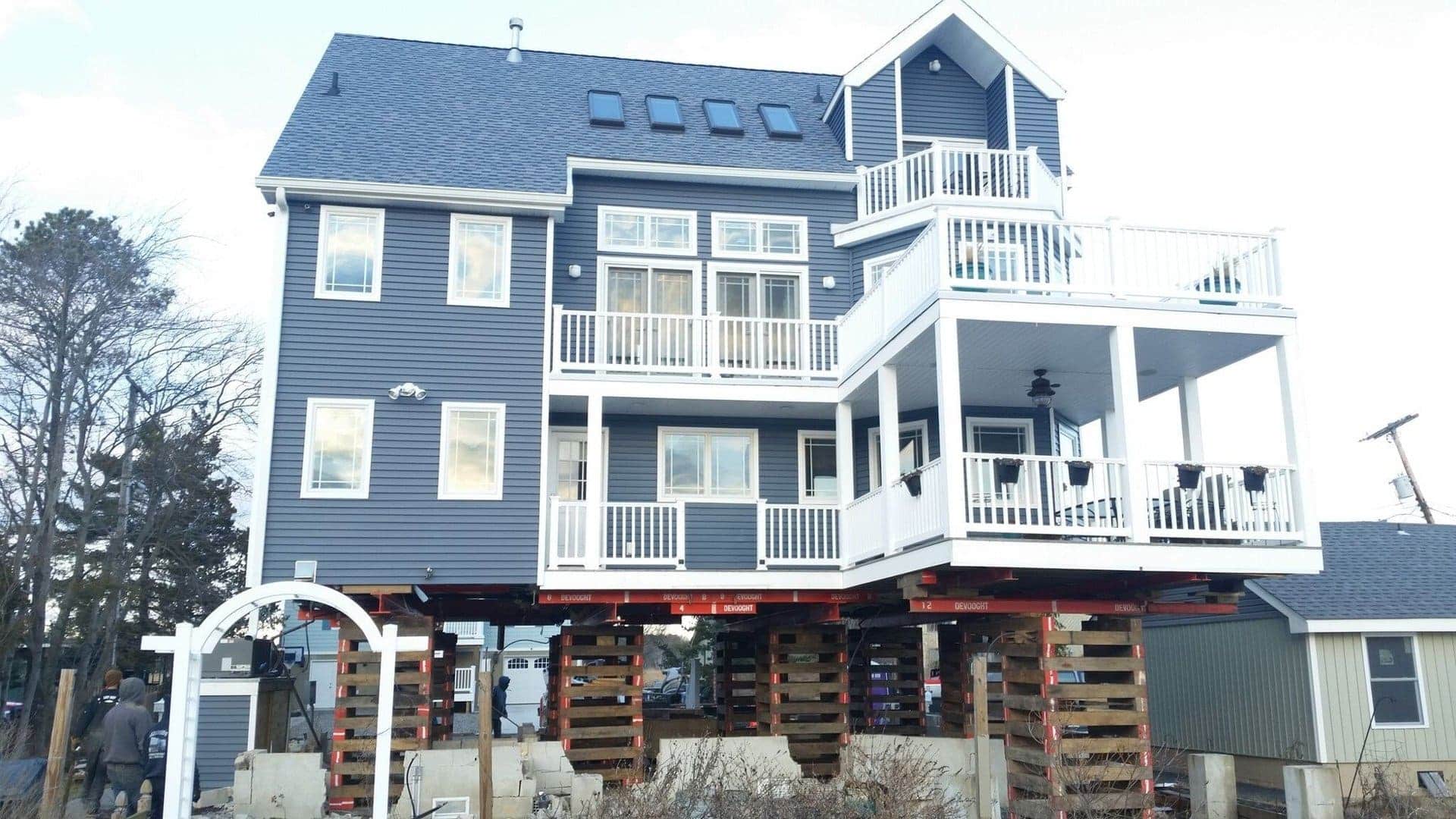
Homeowners across Wilmington and North Carolina’s coastal communities face a difficult decision when flood insurance premiums climb year after year. House lifting offers a permanent solution that protects your property while potentially saving thousands of dollars annually. This guide breaks down what you’ll pay, what affects your final cost, and how to plan your budget for this significant home improvement project.
What Determines House Lifting Costs in Coastal North Carolina?
The price to lift your home varies based on several specific factors unique to your property and location. Understanding these cost drivers helps you anticipate expenses and make informed decisions about your project timeline.
Primary cost factors for coastal house lifting:
- Home size and square footage: Larger homes require more labor, equipment, and materials to lift safely. A 1,200-square-foot beach cottage costs significantly less than a 3,500-square-foot multi-story residence.
- Current foundation type: Homes on slab foundations typically cost more to lift than those already on pier-and-beam systems. The existing structure dictates how much preparatory work your contractor needs to complete.
- Desired elevation height: Raising your home eight feet costs more than a four-foot lift. Each additional foot requires longer support posts, more extensive foundation work, and increased labor time.
- Site accessibility: Properties with easy equipment access cost less than homes in tight neighborhoods or on narrow lots. Crane placement, truck access, and workspace all affect labor efficiency.
- Soil conditions: Sandy coastal soil behaves differently than clay or mixed soils found inland. Poor soil conditions may require additional foundation reinforcement or specialized helical pile foundation systems.
- Utility complexity: More connections mean higher costs. Gas lines, electrical services, plumbing, HVAC systems, and sewer connections all need professional disconnection and reconnection.
“We often see homeowners surprised by utility costs, but disconnecting and reconnecting services properly accounts for roughly 15-20% of total project expenses. Cutting corners here creates safety hazards and code violations that cost far more to fix later.” – The Team at DeVooght
Building permits and inspections add to your total investment. New Hanover County requires multiple inspections throughout the lifting process, and permit fees typically range from $500 to $2,000 based on your home’s value and the project scope. Your contractor handles these applications, but you pay the fees as part of your overall budget.
How Much Should You Budget for House Lifting in Wilmington?
Most homeowners in the Wilmington area spend between $35,000 and $150,000 to lift their homes. This wide range reflects the diversity of coastal properties, from small beach bungalows to large waterfront estates. Your specific costs depend on the factors discussed above, but we can break down typical price ranges for different home sizes and elevations.
Average house lifting costs by property size in coastal NC:
| Home Size | Average Elevation Height | Typical Cost Range | Cost Per Square Foot |
|---|---|---|---|
| 1,000 – 1,500 sq ft | 4 – 6 feet | $35,000 – $65,000 | $35 – $43 |
| 1,500 – 2,000 sq ft | 4 – 6 feet | $50,000 – $85,000 | $33 – $43 |
| 2,000 – 2,500 sq ft | 6 – 8 feet | $70,000 – $110,000 | $35 – $44 |
| 2,500 – 3,500 sq ft | 6 – 8 feet | $90,000 – $140,000 | $36 – $40 |
| 3,500+ sq ft | 8 – 10 feet | $120,000 – $200,000+ | $34 – $45 |
These figures represent complete turnkey projects, including foundation work, utility disconnection and reconnection, permits, and inspections. You’ll notice the cost per square foot decreases slightly for larger homes since certain fixed costs (crane rental, permits, site preparation) spread across more square footage.
Beach communities like Wrightsville Beach, Carolina Beach, and Kure Beach often see costs on the higher end of these ranges. Limited access, stricter building codes, and premium labor rates in tourist areas contribute to increased expenses. Inland properties near Wilmington or along the Cape Fear River typically fall toward the lower end of the cost spectrum.
“Price shouldn’t be your only consideration. We’ve seen homeowners choose the lowest bid and end up spending thousands more fixing structural issues or code violations. A qualified contractor costs more upfront but saves you money and stress throughout the project.” – The Team at DeVooght
What Additional Expenses Should You Anticipate Beyond the Base Lifting Cost?
The quoted price for lifting your home represents just one part of your total investment. Smart homeowners budget for several related expenses that arise during or immediately after the elevation process.
Common additional costs for house lifting projects:
- New foundation construction: After lifting your home, you need a proper foundation system. Pier-and-beam foundations cost $15,000 to $40,000, while full crawl space or basement foundations run $30,000 to $75,000 depending on size and specifications.
- Stairway and deck construction: Once elevated, you need safe access to your home. New stairs typically cost $3,000 to $12,000, and if you want covered porches or decks, add another $8,000 to $25,000 to your budget.
- Skirting and enclosure: The area beneath your lifted home needs proper enclosure for aesthetics and code compliance. Lattice skirting costs $2,000 to $5,000, while more substantial materials like cement board or engineered panels run $5,000 to $15,000.
- Landscaping restoration: Heavy equipment damages lawns, gardens, and hardscaping. Budget $2,000 to $8,000 for landscape repairs, new sod, replanting, and driveway or walkway restoration.
- Temporary housing: Most lifting projects require you to vacate your home for two to six weeks. Rental costs vary widely but expect to spend $1,500 to $6,000 for temporary accommodations.
- Storage for belongings: While many items can remain in the house during lifting, you’ll want to remove valuables, fragile items, and anything that could shift. Storage unit rental for one to two months costs $150 to $400.
Survey and engineering fees represent another expense many homeowners overlook. Before lifting begins, you need an accurate elevation certificate showing your current height and flood zone designation. These surveys cost $400 to $800. Structural engineering reports, required for most permits, add another $800 to $2,500 to your expenses.
Some properties require shoreline erosion remediation or stabilization before or during the lifting process. Coastal homes facing active erosion may need bulkheads, riprap, or other shoreline protection costing $10,000 to $50,000 or more. Address these issues before lifting to protect your investment.
How Can House Lifting Reduce Your Long-Term Costs?
While the upfront investment seems substantial, lifting your home generates significant long-term savings that often justify the initial expense within several years. The financial benefits extend beyond just flood insurance premiums.
Flood insurance represents the most immediate and dramatic savings. Homes in high-risk flood zones (AE, VE) with living spaces below Base Flood Elevation face annual premiums ranging from $3,000 to $12,000 or more. After elevation to or above BFE, these same properties typically pay $400 to $1,200 annually for preferred risk policies.
Annual flood insurance savings by elevation scenario:
| Before Elevation Status | Average Annual Premium | After Elevation Status | Average Annual Premium | Annual Savings |
|---|---|---|---|---|
| 2 feet below BFE | $8,500 – $12,000 | At or above BFE | $450 – $800 | $7,700 – $11,500 |
| 1 foot below BFE | $4,500 – $7,000 | At or above BFE | $450 – $800 | $3,700 – $6,500 |
| At BFE (non-compliant) | $2,500 – $4,500 | 2 feet above BFE | $400 – $650 | $1,850 – $4,100 |
| Special Flood Hazard Area | $3,000 – $6,000 | Above BFE (compliant) | $500 – $900 | $2,100 – $5,500 |
Property values increase after elevation, particularly in high-risk coastal areas. Real estate agents report that elevated homes in Wilmington and surrounding beach communities sell for 10-20% more than comparable non-elevated properties. Buyers recognize the insurance savings, reduced flood risk, and lower maintenance concerns that come with elevated construction.
“We track our clients’ insurance savings annually, and the average homeowner recovers their house lifting investment through reduced premiums alone in 8-12 years. When you factor in increased property value and avoided flood damage repairs, the return on investment becomes even more compelling.” – The Team at DeVooght
Avoided flood damage represents perhaps the most significant long-term benefit. A single flood event causing moderate damage costs $25,000 to $75,000 to repair. Severe flooding can exceed $100,000 in restoration expenses. Lifting your home above flood levels prevents these catastrophic costs and the disruption they cause to your life.
Maintenance costs decrease for elevated homes. Water damage, mold remediation, foundation repairs, and HVAC replacement due to flooding become far less likely. Owners of elevated homes report spending 30-40% less on flood-related maintenance and repairs over a 10-year period compared to neighbors in non-elevated properties.
What Financing Options Exist for House Lifting Projects?
The substantial upfront cost of house lifting requires most homeowners to secure financing. Multiple options exist, each with different terms, requirements, and benefits worth comparing.
Available financing programs for coastal house lifting:
- Home equity loans and lines of credit: If you have sufficient equity, these products offer competitive interest rates (currently 7-11%) and terms up to 30 years. You can deduct the interest on up to $100,000 of home equity debt used for substantial home improvements.
- FEMA Increased Cost of Compliance (ICC) coverage: If your home has flood damage exceeding 50% of its value, ICC provides up to $30,000 for elevation, relocation, or demolition. This comes as part of your flood insurance policy but only applies after substantial damage occurs.
- SBA disaster loans: Following a declared disaster, the Small Business Administration offers low-interest loans (currently around 3-4%) up to $500,000 for home repairs and improvements, including elevation. These loans feature 30-year terms and income-based qualification.
- State and local mitigation grants: North Carolina periodically offers hazard mitigation grant programs through the NC Emergency Management division. These competitive grants can cover 75% of eligible costs, though funding is limited and application processes are complex.
- Conventional home improvement loans: Banks and credit unions offer personal loans or construction loans for home elevation projects. Interest rates range from 8-15% depending on your credit, and terms typically extend 5-15 years.
- Cash-out refinancing: If current mortgage rates are favorable and you have substantial equity, refinancing your entire mortgage for a higher amount can fund your elevation project while potentially lowering your monthly payment.
Start exploring financing options early in your planning process. Some grants require pre-approval before beginning work, and loan underwriting takes several weeks. Securing financing before getting contractor quotes gives you a clear budget and stronger negotiating position.
Tax benefits can offset some costs. While you can’t deduct house lifting as a repair expense, the improvement increases your cost basis in the property, potentially reducing capital gains taxes when you sell. Consult with a tax professional to understand your specific situation and potential benefits.
When Does House Lifting Make Financial Sense Compared to Other Options?
Not every coastal property benefits equally from elevation. Analyzing your specific circumstances helps determine whether lifting makes sense or if alternatives like structural relocation or selling better fit your needs and budget.
Consider house lifting when your annual flood insurance premiums exceed $3,000 and you plan to stay in your home for at least five to seven years. The intersection of high ongoing costs and long-term residence creates the optimal scenario for recovering your investment through insurance savings alone.
Properties with solid structural integrity make better candidates for lifting than homes requiring extensive repairs. If your home needs a new roof, foundation repairs, or major structural work, address these issues first or incorporate them into a comprehensive renovation that includes elevation. Lifting a house in poor condition creates a nicely elevated house that still needs costly repairs.
Scenarios where alternatives might serve you better:
- Severe erosion problems: If coastal home relocation farther inland seems inevitable within five years, moving the structure now costs less than lifting and relocating later.
- Historic properties: Homes with historical designation need special consideration. Historic preservation requirements may limit elevation options or require specific methods that cost significantly more.
- Property value concerns: If your elevation costs would exceed 75% of your home’s current market value, you might struggle to recoup the investment even with insurance savings and increased property value.
- Short-term residence plans: Planning to sell within three to five years means you probably won’t recover your elevation investment, though the increased sale price might narrow the gap.
- Extensive structural damage: Homes with severe foundation problems, termite damage, or structural failure might cost more to lift than to rebuild. A structural engineer can assess whether your house is a good candidate for elevation.
“We always conduct a thorough assessment before recommending house lifting. Sometimes relocation makes more sense, sometimes selling and rebuilding is the better option. Our job is to give you honest guidance based on your property’s condition and your long-term plans, not just sell you a lifting project.” – The Team at DeVooght
Age of the home factors into this decision. Older homes built before modern building codes may need substantial upgrades during the lifting process. While these improvements add safety and value, they also increase costs. Homes built after 1980 typically lift more easily and require fewer concurrent upgrades.
How Should You Select a House Lifting Contractor in Coastal North Carolina?
Choosing the right contractor affects both your project cost and outcome. While price matters, expertise, licensing, insurance, and reputation determine whether your home gets lifted safely and correctly the first time.
Critical qualifications to verify when hiring a house lifting contractor:
- North Carolina general contractor license: Verify active licensure through the NC Licensing Board for General Contractors. Licensed contractors carry required insurance and demonstrate competency through examination and experience requirements.
- Specialized house lifting experience: Ask how many homes the contractor has lifted in coastal areas specifically. Coastal projects present unique challenges different from inland elevation work.
- Comprehensive insurance coverage: Request certificates of insurance showing general liability coverage of at least $2 million and workers’ compensation insurance. Your homeowner’s policy won’t cover accidents involving uninsured contractors or their workers.
- Engineering relationships: Qualified contractors work with licensed structural engineers who design lifting plans and certify the finished elevation. Ask who will engineer your project and verify their credentials.
- Local references: Speak with at least three recent clients whose homes were lifted within the past two years. Ask about communication, timeline adherence, unexpected costs, and overall satisfaction.
- Equipment and resources: House lifting requires specialized hydraulic jacks, steel beams, cribbing materials, and often cranes. Contractors who own this equipment generally cost less than those who rent everything.
Get detailed written estimates from at least three qualified contractors. Compare not just the bottom-line price but what each quote includes. Some contractors give you a bare-bones lifting cost, while others provide all-inclusive pricing covering permits, engineering, utilities, and cleanup. Make sure you’re comparing equivalent scopes of work.
Timeline expectations belong in your contractor selection process. Experienced crews complete typical house lifting projects in two to four weeks from start to finish. Contractors promising completion in just a few days probably cut corners or lack proper equipment. Those quoting eight weeks or more might be overbooked or inefficient.
Payment schedules tell you about a contractor’s financial stability and fairness. Reasonable payment structures ask for 10-20% upfront, 30-40% when the house is lifted and temporary supports are in place, 30-40% when foundation work completes, and the final 10-20% after inspections pass and the project finishes. Avoid contractors demanding 50% or more upfront or wanting full payment before completion.
What Does the House Lifting Process Actually Involve?
Understanding the step-by-step process helps you prepare your home and family for the disruption while knowing what to expect at each stage. A typical house lifting project follows a predictable sequence over several weeks.
Complete timeline for a coastal house lifting project:
| Project Phase | Duration | Key Activities | Homeowner Actions |
|---|---|---|---|
| Planning & Permits | 2-4 weeks | Engineering plans, permit applications, utility notifications | Sign contracts, secure financing, arrange temporary housing |
| Site Preparation | 2-3 days | Clear landscaping, mark utilities, deliver equipment | Remove valuables, secure loose items, relocate pets |
| Utility Disconnection | 1-2 days | Disconnect electrical, plumbing, gas, HVAC, sewer | Vacate property, turn off water and power at street |
| Foundation Preparation | 1-2 days | Cut existing foundation, install steel beams, position jacks | Monitor from distance, stay available for questions |
| Actual Lifting | 1-3 days | Gradually raise home, monitor for shifts, install cribbing | Avoid site visits during active lifting for safety |
| Foundation Construction | 1-2 weeks | Build new foundation, install support posts, cure concrete | Review progress with contractor, approve any changes |
| Setting and Securing | 2-3 days | Lower home onto new foundation, secure structure, remove beams | Prepare for utility reconnection scheduling |
| Utility Reconnection | 3-5 days | Extend and reconnect all utilities, test systems | Schedule final inspection, begin moving preparations |
| Final Details | 3-5 days | Install skirting, rebuild stairs, clean up site, final inspection | Conduct walk-through, move back in, update insurance |
The actual lifting happens slowly and methodically. Contractors raise the house in small increments, typically one to two inches at a time, checking for any stress or shifting before continuing. This gradual process prevents structural damage and allows real-time adjustments if issues arise. Rushing this phase causes cracks, broken connections, and potential structural failure.
Weather significantly impacts project timelines. Heavy rain, high winds, and extreme temperatures can halt work for safety reasons or because concrete won’t cure properly. Coastal areas experience more weather delays than inland locations. Build buffer time into your expectations, particularly if scheduling your project during hurricane season (June through November).
Communication with your contractor should happen daily during active work phases. Brief check-ins keep you informed about progress, address any concerns immediately, and help maintain the schedule. Good contractors proactively update you about completed milestones, upcoming phases, and any unexpected findings that might affect costs or timeline.
What Happens to Your Home During and After Elevation?
Many homeowners worry about damage to their house during the lifting process. While no construction project is completely without risk, professional contractors take extensive precautions to protect your home’s structure and finishes.
Interior damage is typically minimal with experienced contractors. You might see minor cracks in drywall, particularly around windows and doors, and some nail pops in sheetrock. These cosmetic issues cost $500 to $2,000 to repair and represent normal settling during the lifting process. More severe cracking suggests improper lifting technique or inadequate structural support.
Plumbing and electrical systems disconnect cleanly when handled by licensed professionals. Your contractor coordinates with plumbers and electricians who specialize in elevation projects. They know exactly where to cut lines, how to cap connections, and the proper methods for extending utilities to your elevated height. This expertise prevents leaks, code violations, and costly repairs later.
“The difference between amateur and professional work shows up in the details. We see homes lifted by unqualified contractors that have kinked plumbing causing slow drains, undersized electrical conduits creating fire hazards, and HVAC systems that never work quite right. Proper utility work costs more upfront but saves thousands in repairs and operates reliably for decades.” – The Team at DeVooght
Foundation attachment represents a critical aspect of the process. Your contractor bolts your home to the new foundation using hurricane-rated anchors that meet or exceed local wind load requirements. Coastal homes need stronger connections than inland properties because of higher wind speeds and storm surge forces. Verify that your contractor uses galvanized or stainless steel hardware rated for marine environments to prevent corrosion.
Post-lifting maintenance focuses primarily on monitoring your new foundation and ensuring proper drainage around your elevated home. Water should flow away from the foundation on all sides, and the area beneath your house needs adequate ventilation to prevent moisture accumulation. Check these items monthly during the first year and annually thereafter.
How Do Local Regulations Affect House Lifting Costs and Requirements?
Building codes, zoning regulations, and flood ordinances vary significantly across coastal North Carolina communities. Understanding your local requirements prevents costly surprises and ensures your finished project meets all legal standards.
New Hanover County, which includes Wilmington, Carolina Beach, and Wrightsville Beach, requires homes in Special Flood Hazard Areas to elevate the lowest floor (including basement) to at least the Base Flood Elevation plus one foot. This freeboard requirement adds roughly $5,000 to $12,000 to your project cost compared to building exactly at BFE, but it provides extra protection and better insurance rates.
Regional requirements affecting house lifting projects:
- Coastal Area Management Act (CAMA) permits: Properties within the 20 CAMA counties need state permits for any construction in Areas of Environmental Concern. These permits review environmental impact, public access, and compliance with state coastal policies. Application fees run $150 to $500, and approval takes 60-90 days.
- Historic district approvals: Wilmington’s historic districts and other protected areas require Certificate of Appropriateness approval before lifting homes. Review boards consider visual impact, architectural compatibility, and preservation standards. Expect 30-60 days for review and potential design modifications.
- Setback and height restrictions: Many beach communities limit building height measured from grade to roof peak. Lifting your home eight feet might violate height restrictions or require variances. Zoning officers can tell you current limits for your property.
- Foundation enclosure requirements: Some municipalities require breakaway walls beneath elevated homes to allow flood waters to flow through without creating resistance that could topple the structure. These specialized enclosures cost $8,000 to $20,000 and must meet specific engineering standards.
- Floodproofing standards: Any enclosed area below your elevated living space must meet flood-resistant construction requirements. This includes marine-grade plywood, pressure-treated lumber, corrosion-resistant fasteners, and flood vents. Budget an extra $3,000 to $8,000 for compliant materials.
Permit fees vary by jurisdiction. Wilmington charges based on project value, typically 0.5-1% of total construction cost. Smaller beach towns often use flat fees ranging from $500 to $2,000. Some communities charge separate fees for building permits, electrical permits, plumbing permits, and mechanical permits, while others bundle everything into one application.
Inspection requirements also differ by location. Most jurisdictions mandate inspections at these stages: foundation installation, utility disconnection, structural lifting, foundation completion, utility reconnection, and final project completion. Each inspection costs $75 to $150, and failed inspections require correction work and reinspection fees. Qualified contractors know local inspection requirements and schedule them properly to avoid delays.
Frequently Asked Questions About House Lifting Costs
Does homeowner’s insurance cover any portion of house lifting costs?
Standard homeowner’s insurance policies don’t cover house elevation as it’s considered a preventive improvement rather than damage repair. Flood insurance policies include Increased Cost of Compliance coverage providing up to $30,000 for elevation, but only after your home suffers substantial flood damage exceeding 50% of its value in a single event.
How long does a typical house lifting project take from start to finish?
Most residential house lifting projects in coastal North Carolina require four to eight weeks total. This includes permit processing, utility disconnection, the actual lifting process, foundation construction, utility reconnection, and final inspections. Weather delays, permit complications, or unexpected structural issues can extend this timeline by several weeks.
Can I live in my house while it’s being lifted?
You must vacate your home during the lifting process and throughout utility disconnection and reconnection. The actual time out of your house typically spans two to four weeks, though some homeowners choose to stay away for the entire project duration. Living in a house without utilities or during active construction presents safety hazards and violates most contractor insurance policies.
What happens to my mortgage and property insurance during house lifting?
Your mortgage remains unchanged, though lenders require notification before major structural work begins. Your homeowner’s insurance stays in effect, but inform your agent before starting the project. You may need builder’s risk insurance during construction, which costs 1-4% of the project value. Update your flood insurance with an elevation certificate immediately after completion to receive lower rates.
Will lifting my house void any warranties on roofing, siding, or other components?
Most manufacturer warranties remain valid if lifting is performed by qualified professionals using proper techniques. Request written confirmation from your contractor that they’ll maintain warranty compliance. Some warranties require notification before major structural work, so review your warranty documents and contact manufacturers if you have concerns about specific products or systems.
How much do stairs and access improvements cost after house lifting?
New stairs to an elevated home typically cost $3,000 to $12,000 depending on height, materials, and design complexity. Simple wooden stairs with basic railings fall at the lower end, while multi-landing stairs with covered landings or premium materials can reach $20,000 or more. Many homeowners also add ramps for accessibility, costing $1,500 to $4,000 per linear foot.
Can I add a garage or additional living space under my elevated home?
Flood regulations prohibit habitable living space below Base Flood Elevation in Special Flood Hazard Areas. You can use the area for parking, storage, or building access, but it cannot include finished living areas, bedrooms, or full kitchens. These spaces must have flood vents or breakaway walls allowing water flow during flooding events. Budget $15,000 to $40,000 for enclosed parking or storage areas beneath elevated homes.
Do I need to upgrade my foundation system when lifting my house?
Most house lifting projects require new or upgraded foundations to support the elevated structure properly. Older homes on deteriorating foundations definitely need replacement systems. Your structural engineer determines what foundation type best suits your soil conditions, home size, and local building codes. Pier-and-beam systems work well for most coastal properties, while areas with poor soil may benefit from helical pile foundations.
Protect Your Coastal Investment With Professional House Lifting
House lifting represents a significant financial commitment that pays dividends through reduced insurance costs, increased property value, and protection against flood damage. The key to maximizing your return involves working with experienced contractors who understand coastal construction challenges and local requirements.
Our team at DeVooght House Lifters has lifted hundreds of homes across North Carolina’s coast, from small beach cottages to large waterfront estates. We provide transparent pricing, detailed project timelines, and proven expertise in navigating permit requirements and insurance documentation. Every project includes structural engineering, comprehensive planning, and careful execution that protects your home throughout the process.
If you’re considering house lifting for your Wilmington or coastal North Carolina property, contact us for a free on-site evaluation and detailed cost estimate. We’ll assess your home’s structure, review your flood risk, explain your options, and provide clear pricing so you can make an informed decision about protecting your most valuable asset.