Currituck Sound’s wetland regions face mounting pressure from development while simultaneously needing protection for their delicate ecosystems. Traditional foundation methods often require extensive excavation, heavy machinery, and soil disruption that can permanently alter these sensitive environments. Helical pile technology offers a practical alternative that allows construction to proceed while maintaining the ecological integrity of wetland zones.
Why Do Wetland Foundations Require Special Installation Methods?
Wetlands serve as nature’s filtration system, flood barriers, and wildlife sanctuaries. The soil composition in these areas differs markedly from upland sites. High water tables, organic-rich sediments, and fluctuating moisture levels create unique engineering challenges. Standard concrete foundations demand dewatering, which can redirect groundwater flow patterns and affect vegetation survival rates.
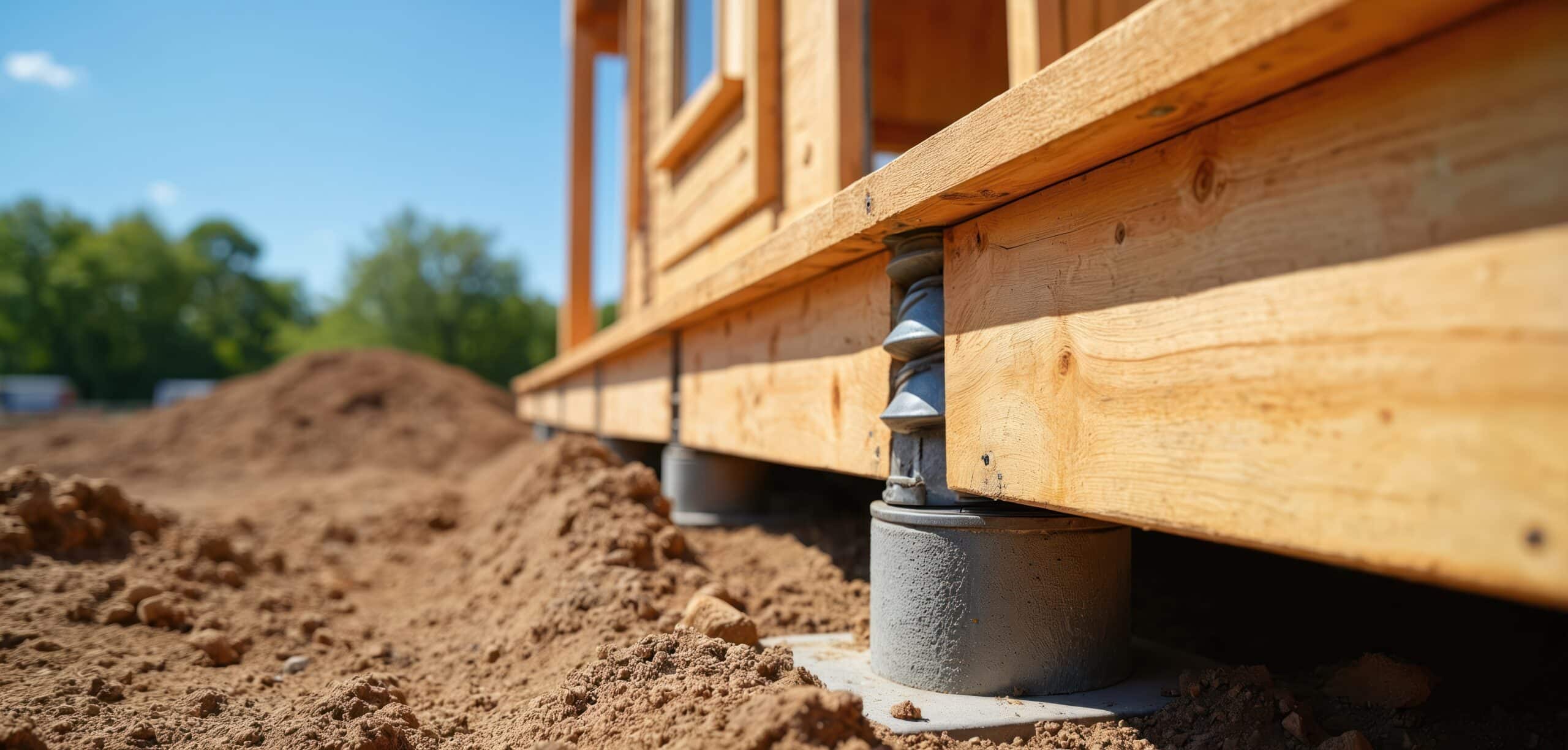
Helical pile foundation systems address these complications through a fundamentally different approach. Each pile consists of steel shafts with helical bearing plates that screw into the ground. The installation process resembles inserting a large screw rather than excavating and pouring concrete. This method preserves the existing soil structure and maintains water flow paths that wetland plants and animals depend on.
Unique Characteristics of Currituck Sound Wetlands:
- Brackish water mixing: Fresh and saltwater combine, creating distinct salinity gradients that support specialized plant communities
- Shallow root systems: Wetland vegetation relies on the top 18-24 inches of soil for nutrient uptake and stabilization
- Variable water tables: Seasonal fluctuations can shift ground saturation by several feet, affecting load-bearing capacity
- Organic content: Decomposing plant matter creates compressible layers that traditional foundations can’t adequately distribute weight across
“We’ve observed that conventional foundation work in wetlands can take months to complete when you factor in permitting delays and environmental mitigation requirements. Helical piles allow us to finish installations in days while meeting every ecological protection standard.” – The Team at DeVooght
How Does Installation Impact Soil Disturbance and Water Quality?
The physical footprint of construction activities determines how much damage occurs to wetland functions. Conventional methods require excavators weighing 15-30 tons to dig trenches several feet deep. This equipment compresses soil, crushes root systems, and creates runoff channels that redirect water unnaturally. The excavated material must be hauled away and replaced with gravel or other aggregate base materials.
Helical pile installation uses specialized hydraulic equipment mounted on compact carriers or even handheld devices for smaller projects. The machinery applies torque to rotate piles into position without removing any soil. No trenching occurs. No dewatering pumps run continuously. No sediment-laden water flows into adjacent areas.
Comparison of Foundation Installation Methods in Wetland Settings:
| Impact Factor | Concrete Foundation | Helical Pile System |
|---|---|---|
| Soil removal volume | 8-12 cubic yards per pier | Zero soil removal |
| Equipment weight | 15,000-30,000 lbs | 3,500-8,000 lbs |
| Installation time per pier | 2-3 days (including curing) | 1-2 hours |
| Water quality monitoring | Required for 30+ days | Minimal monitoring needed |
| Vegetation buffer zone | 50-100 feet from work area | 10-15 feet from work area |
Turbidity measurements taken during helical pile installations consistently show negligible increases in suspended sediments. The water surrounding the work site maintains clarity because no excavation churns up bottom materials. Fish populations continue normal activities within meters of active installation zones. Compare this to concrete foundation work, where turbidity levels can spike 300-500% above baseline readings and persist for weeks after construction concludes.
What Protection Does This Method Provide for Native Plant Species?
Currituck Sound wetlands host plant communities adapted to specific hydrological conditions. Black needlerush, saltmeadow cordgrass, and big cordgrass dominate different salinity zones. These species anchor sediments, provide nursery habitat for fish, and filter nutrients from runoff. Construction that alters groundwater levels or removes topsoil can shift plant distributions and reduce biodiversity.
The narrow installation diameter of helical piles (typically 8-12 inches) means plant root networks remain largely intact. A single pile displaces roughly 0.5 square feet of surface area. A comparable concrete pier requires clearing 12-16 square feet for forms, excavation, and equipment access. Multiply this across 15-20 foundation points for a typical residential structure, and the difference becomes substantial.
Native Plant Preservation Benefits:
- Root zone continuity: Underground plant structures stay connected, allowing nutrient and water transport to continue uninterrupted
- Seed bank protection: The top soil layer containing dormant seeds remains undisturbed, allowing natural regeneration after construction
- Mycorrhizal networks: Beneficial fungal associations that help plants absorb nutrients survive when soil structure stays intact
- Hydrology maintenance: Water continues moving through established flow paths rather than pooling in excavated areas or being redirected
Field observations from completed projects show full vegetation recovery within one growing season around helical pile installations. The small surface disturbance heals quickly as rhizomes spread laterally. Concrete foundations, by contrast, often leave permanent bare patches or require active replanting efforts that may take 3-5 years to establish equivalent plant density.
“The regulatory agencies want to see construction methods that work with natural systems rather than against them. When we present helical pile plans for wetland projects, the review process moves faster because inspectors can see we’re minimizing habitat disruption from the start.” – The Team at DeVooght
How Does Reduced Equipment Use Lower Carbon Emissions?
Transportation and operation of construction machinery accounts for significant greenhouse gas production. A typical concrete foundation project in a wetland location requires multiple trips by concrete mixer trucks, excavators, pump trucks, and material haulers. Each mixer truck consumes 6-8 gallons of diesel per hour of operation. Excavators burn 3-5 gallons per hour during active digging. Factor in the energy required to manufacture and transport concrete ingredients, and the carbon footprint expands considerably.
Helical pile installation dramatically reduces fuel consumption. The equipment needed to install piles arrives on a single truck or trailer. Installation machinery runs for shorter durations because work proceeds more quickly. No concrete mixing or delivery trips occur. No material hauling removes excavated soil or brings in aggregate base.
Estimated Carbon Emissions for Residential Foundation (20 piers):
| Activity | Concrete Foundation (lbs CO2) | Helical Piles (lbs CO2) |
|---|---|---|
| Equipment transport | 450 | 180 |
| On-site machinery operation | 1,200 | 320 |
| Material production/transport | 3,800 | 1,100 |
| Waste removal/disposal | 600 | 0 |
| Total emissions | 6,050 | 1,600 |
The steel used in helical piles has a carbon cost during manufacturing, but this material can be recycled at the end of its service life. Concrete, once poured, becomes permanent waste when a structure is demolished. The ability to remove and reuse helical piles gives them a circular economy advantage that concrete cannot match.
Lighter equipment also reduces the need for temporary access roads or working platforms. These structures often require gravel or crushed stone to support heavy machinery, adding another layer of environmental disruption and material consumption. Helical pile equipment can often work from existing paths or natural high points in the terrain.
What Regulatory Advantages Come from Low-Impact Methods?
North Carolina wetland regulations require permits from multiple agencies before construction can begin. The Division of Coastal Management, Army Corps of Engineers, and local environmental departments all review proposed work. Projects that minimize disturbance receive faster approval and face fewer mitigation requirements.
Permit applications for coastal home relocation and new construction using helical piles typically demonstrate several key advantages. The application can show reduced buffer zone impacts, minimal dewatering needs, and protection of existing vegetation. These factors directly address the primary concerns that reviewers examine when evaluating wetland projects.
Typical Permit Timeline Comparisons:
- Initial review period: Helical pile projects often receive preliminary approval in 30-45 days versus 60-90 days for conventional foundations
- Mitigation requirements: Low-impact methods may avoid compensatory wetland creation that adds $15,000-$40,000 to project costs
- Monitoring obligations: Reduced inspection frequency during and after construction lowers long-term compliance expenses
- Restoration bonds: Lower financial assurance amounts required when disturbance footprint stays minimal
State and federal agencies have published guidelines that explicitly recognize helical piles as preferred technology for sensitive sites. The technology appears in Army Corps of Engineers regional supplements as an acceptable method for jurisdictional wetlands. This regulatory acceptance reflects years of performance data showing that installations can meet structural requirements while protecting ecological functions.
“Property owners sometimes worry that choosing an environmentally friendly foundation will cost more or take longer. The opposite is true in wetland locations. Faster permits, reduced mitigation, and quicker installation timelines usually result in lower total project costs compared to fighting through conventional foundation approvals.” – The Team at DeVooght
How Does Installation Timing Affect Wildlife in Wetland Habitats?
Seasonal considerations matter greatly in wetland construction planning. Spring and early summer bring nesting birds, spawning fish, and peak amphibian activity. Fall migrations concentrate waterfowl populations. Winter freezing can make some areas inaccessible. Construction methods that compress work into shorter timeframes reduce the likelihood of conflicting with critical wildlife periods.
Traditional foundation work often spans several weeks or months when accounting for excavation, forming, concrete curing, and backfilling. This extended timeline increases the probability that protected species will begin nesting or breeding activities near the work zone, potentially halting construction entirely. Helical pile installation can be completed in days, sometimes allowing work to squeeze between seasonal restrictions.
Wildlife Activity Patterns in Currituck Sound Wetlands:
| Season | Primary Wildlife Concerns | Construction Window |
|---|---|---|
| Winter (Dec-Feb) | Overwintering waterfowl, limited accessibility | Suitable if soil not frozen |
| Spring (Mar-May) | Nesting shorebirds, spawning fish | Restricted or prohibited |
| Summer (Jun-Aug) | Fledging birds, juvenile fish | Limited windows after nesting |
| Fall (Sep-Nov) | Migratory bird stopovers | Best window for most activities |
The minimal noise profile of helical pile installation benefits noise-sensitive species. Hydraulic equipment operates at 70-80 decibels, comparable to normal traffic. Concrete work involves jackhammering, heavy diesel equipment, and backup alarms that reach 90-100 decibels. Prolonged high-volume noise can cause breeding birds to abandon nests or force animals to relocate from preferred habitat.
Aquatic impacts also decrease with faster installation times. Every day that construction equipment operates near water increases the risk of fuel spills, hydraulic fluid leaks, or accidental sediment releases. Helical pile work concentrates activities into brief periods, reducing exposure to potential contamination events. Concrete delivery and mixing presents ongoing spill risks throughout the extended timeline of traditional foundation construction.
What Long-Term Stability Do These Systems Provide in Changing Conditions?
Climate projections for coastal North Carolina indicate rising sea levels, increased storm intensity, and shifting precipitation patterns. Foundation systems in wetland areas must accommodate these changing conditions without requiring destructive retrofitting or replacement. Helical piles offer adjustment capabilities that concrete foundations lack.
If water levels rise or soil subsidence occurs, helical pile systems can be jacked up or extended without excavating around existing structures. This adjustability proves valuable in areas where ground conditions evolve over time. The house lifting capacity built into these systems means structures can adapt to new flood elevations as regulations and environmental conditions change.
Adaptive Capacity Advantages:
- Elevation adjustments: Structures can be raised 2-4 feet in response to new flood zone designations without foundation replacement
- Additional pile installation: Load capacity can be increased by adding piles beneath existing structures if settling occurs
- Corrosion monitoring: Individual piles can be inspected and replaced if needed without disturbing adjacent foundation elements
- Seasonal water level tolerance: Piles remain stable whether water table rises during wet seasons or drops during droughts
Load testing data from wetland installations shows helical piles maintain capacity over decades despite exposure to fluctuating water chemistry and biological activity. The steel shaft materials resist corrosion in brackish water environments when properly coated. Galvanized or epoxy-coated piles demonstrate service life estimates exceeding 75 years in marine-influenced soils.
The removability of helical piles also provides an often-overlooked environmental benefit. If a structure reaches the end of its useful life or needs relocation due to shoreline erosion, the foundation can be extracted with minimal site disturbance. Concrete foundations become permanent features that future property owners must work around or expensively remove. This creates long-term environmental liabilities that helical systems avoid.
“We’ve returned to sites five and ten years after installation to perform maintenance or additions. The wetland vegetation has fully recovered, and you wouldn’t know construction ever occurred except for the structure itself. That recovery rate proves the installation method works as intended.” – The Team at DeVooght
How Do Installation Costs Compare When Environmental Factors Are Included?
Direct installation costs represent only part of the financial picture for wetland construction projects. Environmental compliance expenses, mitigation requirements, and regulatory delays add substantial amounts to traditional foundation budgets. Helical pile systems often prove more economical when these factors receive proper accounting.
Permit application fees for projects with minimal environmental impact typically run $2,000-$5,000 lower than applications requiring extensive mitigation plans. Wetland delineation studies, required for projects that disturb larger areas, can cost $3,000-$8,000. If compensatory mitigation becomes necessary, costs escalate to $20,000-$50,000 depending on required acreage ratios.
Comprehensive Cost Analysis for Wetland Foundation Project:
| Cost Category | Concrete Foundation | Helical Pile System |
|---|---|---|
| Direct installation | $18,000-$25,000 | $22,000-$28,000 |
| Permit fees | $6,000-$9,000 | $3,000-$4,500 |
| Environmental studies | $5,000-$8,000 | $2,000-$3,000 |
| Mitigation requirements | $15,000-$40,000 | $0-$5,000 |
| Extended timeline costs | $8,000-$15,000 | $2,000-$4,000 |
| Total project cost | $52,000-$97,000 | $29,000-$44,500 |
Timeline compression translates directly to reduced financing costs and carrying expenses. Property owners paying construction loans save on interest when projects finish faster. Rental income or occupancy can begin sooner, improving return on investment calculations. These indirect savings often exceed any premium in direct installation costs for helical pile systems.
Insurance considerations also favor foundations that demonstrate resilience to flooding and erosion. Properties with adaptable foundation systems may qualify for lower flood insurance premiums. The ability to adjust elevation in response to changing conditions reduces long-term risk profiles that insurers evaluate when setting rates.
What Documentation Proves Environmental Performance?
Verifying environmental claims requires rigorous monitoring and data collection. Projects using helical piles in Currituck Sound and similar coastal wetlands have undergone extensive study by university researchers and environmental consultants. The results consistently show reduced impacts across multiple ecological indicators.
Soil compaction measurements taken before and after installation show minimal change outside the immediate pile location. Penetrometer readings indicate no significant hardpan formation or root zone disruption. Water quality sampling demonstrates stable pH, dissolved oxygen, and nutrient levels throughout construction periods. Vegetation surveys document rapid recovery of plant communities.
Environmental Monitoring Results from Coastal Installations:
- Turbidity levels: Peak increases of 5-15 NTU during installation compared to 150-300 NTU for conventional methods
- Vegetation recovery time: Full density restoration within 8-12 months versus 36-60 months for excavated areas
- Soil bulk density: Less than 5% increase within 6 feet of pile location compared to 25-40% increase around concrete piers
- Wildlife utilization: Shorebird nesting returns to pre-construction levels in first season following installation
Third-party environmental consultants often recommend helical piles in their project assessments because the performance data removes uncertainty from impact predictions. When regulators see projects backed by proven monitoring results, approvals proceed with greater confidence and fewer conditions.
The historic preservation community has also recognized the value of minimal-impact foundations. Buildings of historical significance located in wetland areas can be stabilized or relocated without the extensive excavation that risks damaging archaeological resources or altering site characteristics that contribute to historical integrity.
Conclusion
Foundation work in wetland environments no longer requires choosing between structural performance and ecological protection. Helical pile technology delivers both through installation methods that work within natural systems rather than fighting against them. The reduced site disturbance, faster completion times, and long-term adaptability make these systems appropriate for Currituck Sound and similar coastal wetland locations.
We approach each wetland project by evaluating site-specific conditions and working within regulatory frameworks to minimize environmental impacts. Our experience with wetland installations allows us to navigate permitting processes efficiently while protecting the ecological values that make these areas special. Contact us if you need help with environmentally friendly foundations in sensitive coastal environments.
Frequently Asked Questions
Can helical piles be installed in saturated wetland soils?
Yes, helical piles perform well in saturated conditions. The installation equipment applies torque to advance piles through wet soils without requiring dewatering. The helical plates compress soil laterally as they rotate downward, creating load-bearing capacity through the full depth of saturated zones.
How do helical piles affect groundwater flow patterns?
The narrow shaft diameter allows groundwater to flow around piles with minimal obstruction. Studies show no measurable change in water table elevations or flow directions at distances greater than 2-3 feet from pile locations. This maintains the hydrological conditions wetland vegetation depends on.
What happens to helical piles if soil conditions change over time?
Helical piles can be adjusted or extended if settling occurs or water levels rise. The system allows for jacking structures upward or installing additional bearing plates at greater depths. This adaptability protects both the building and the surrounding environment from damage caused by changing conditions.
Do helical piles work in areas with organic-rich wetland soils?
Helical piles excel in organic soils where concrete foundations struggle. The multiple helical plates distribute loads across several soil strata, reaching stable bearing layers below compressible organic zones. Load capacity can be verified through torque monitoring during installation, providing real-time confirmation of performance.
Are there size limitations for structures using helical pile foundations in wetlands?
Helical pile systems can support residential homes, small commercial buildings, and industrial equipment platforms. Load capacities range from 10 tons to over 200 tons per pile depending on soil conditions and pile configuration. Multiple piles work together to support larger structures without increasing environmental impact proportionally.
How quickly can construction proceed after helical pile installation?
Building can begin immediately after pile installation and inspection. No curing time is required, unlike concrete foundations that need 7-28 days to reach design strength. This immediate load-bearing capacity reduces weather exposure risks and compresses project schedules, particularly valuable in wetland locations with restricted work windows.